
Sports Chiropractor Near Me

Game-Changing Recovery: Choosing the Right Sports Chiropractor Near Me
Every athlete understands the risk of injury. While training, nutrition, and mindset are crucial for performance, recovery is the foundation that holds it all together. For many, recovery now includes a team of professionals, with sports chiropractors emerging as essential partners in athletic health.
Unlike traditional approaches that often focus on symptoms, sports chiropractic care examines the body's overall biomechanics to optimize function and prevent future injuries. But searching for a "sports chiropractor near me" can be overwhelming. This guide will help you navigate the options, understand the benefits of sports-specific care, and choose a practitioner who will keep you performing at your best.
Understanding Sports Injuries and the Need for Specialized Care
Athletic injuries differ from everyday aches, typically falling into two categories: acute injuries from sudden trauma and overuse injuries from repetitive stress. Treating these injuries effectively requires understanding the body as a kinetic chain, where pain in one area, like the knee, can stem from issues elsewhere, such as the hip or ankle. Traditional healthcare often focuses on isolated symptoms, neglecting the root cause, which can lead to recurring injuries.
Athletes need specialized care that goes beyond rest and anti-inflammatories to address biomechanical imbalances, joint restrictions, or muscle weaknesses. Proper treatment not only relieves pain but also restores functional efficiency and enhances performance, ensuring athletes can return to their sport stronger and more resilient.

The Unique Approach of Sports Chiropractors
While all chiropractors receive training in adjusting the spine and musculoskeletal system, sports chiropractors undergo additional education to specialize in the diagnosis and treatment of sports-related injuries. Their approach is often more comprehensive and active than what you might experience in a standard chiropractic setting.
Functional Assessment vs. Static Assessment
A general chiropractor might check your spinal alignment while you are lying down or sitting. A sports chiropractor, however, is interested in how your body moves. They will often perform functional movement screens to see how you squat, lunge, or reach. They are looking for asymmetries and limitations in your range of motion that could be robbing you of power or predisposing you to injury. This dynamic assessment allows them to treat the movement pattern, not just the pain point.
Soft Tissue Mobilization
Adjusting the joints is only half the battle. Muscles, tendons, and ligaments play a massive role in how joints function. Sports chiropractors are typically proficient in various soft tissue techniques designed to break down scar tissue and improve tissue elasticity. Techniques such as myofascial release, instrument-assisted soft tissue mobilization (IASTM), or active release techniques are common in a sports chiro office. These therapies help speed up recovery time by increasing blood flow to injured areas and reducing muscle tension that pulls joints out of alignment.
Rehabilitation and Corrective Exercise
Perhaps the biggest differentiator is the emphasis on active rehabilitation. A sports chiropractor won't just adjust you and send you on your way. They will likely prescribe specific corrective exercises to strengthen weak areas and stabilize the changes made during treatment. This empowers the athlete to take charge of their own recovery. The goal isn't just to fix the current injury, but to build a more resilient body that can withstand the demands of the sport.
What to Look For in a Sports Chiropractor
Not all chiropractors are created equal, and finding one that matches your athletic goals requires due diligence. When you begin your search, look beyond the star rating and focus on specific indicators of quality and expertise.
Credentials and Certifications
Check for advanced certifications that indicate a specialization in sports medicine. In the United States, look for credentials like the CCSP (Certified Chiropractic Sports Physician) or the DACBSP (Diplomate of the American Chiropractic Board of Sports Physicians). These designations show that the practitioner has completed rigorous post-doctoral training specifically focused on athletic injuries and emergency on-field procedures.
Experience with Your Sport
While biomechanics are universal, the demands of specific sports vary wildy. A chiropractor who works primarily with powerlifters might have a different approach than one who specializes in long-distance runners. Don't be afraid to ask about their experience with athletes in your specific field. Do they understand the mechanics of a golf swing? Are they familiar with the common impact injuries of rugby? A practitioner who speaks the language of your sport can provide more relevant and effective care.
A Multidisciplinary Network
The best sports chiropractors know their limits and work as part of a larger healthcare team. They should be willing to refer you to orthopedic surgeons, physical therapists, or massage therapists if your condition requires it. Be wary of a practitioner who claims they can fix everything on their own. A collaborative mindset is a hallmark of a professional who prioritizes patient outcomes over their own ego.
Treatment Philosophy
During your initial consultation, pay attention to their treatment plan. Are they focused on getting you back to your sport as safely and quickly as possible, or are they trying to sign you up for a generic, long-term treatment plan with no clear end in sight? Effective sports chiropractic care is goal-oriented. There should be clear benchmarks for improvement and a strategy for transitioning from acute care to maintenance and performance enhancement.
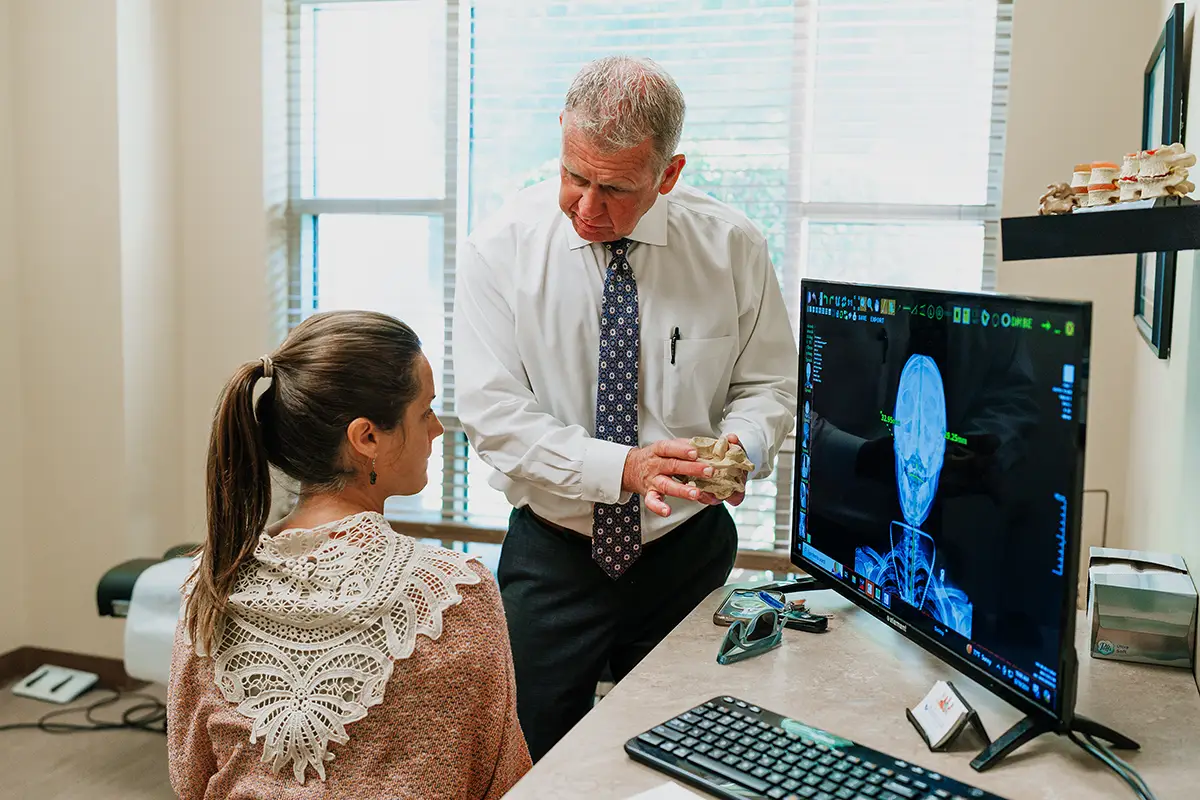
How the Upper Cervical Spine Center Can Help
When discussing specialized chiropractic care, it is impossible to overlook the critical role of the upper cervical spine. The Upper Cervical Spine Center focuses on a highly specific and often misunderstood area of the body: the top two bones in the neck, known as the Atlas and Axis.
For athletes, this area is vital. The brainstem, which controls nearly every automatic function in the body, extends down through these top two vertebrae. Misalignments here—common in contact sports or even from heading a soccer ball—can interfere with the brain-to-body communication network. This doesn't just cause neck pain; it can affect balance, coordination, muscle recruitment, and reaction times throughout the entire body.
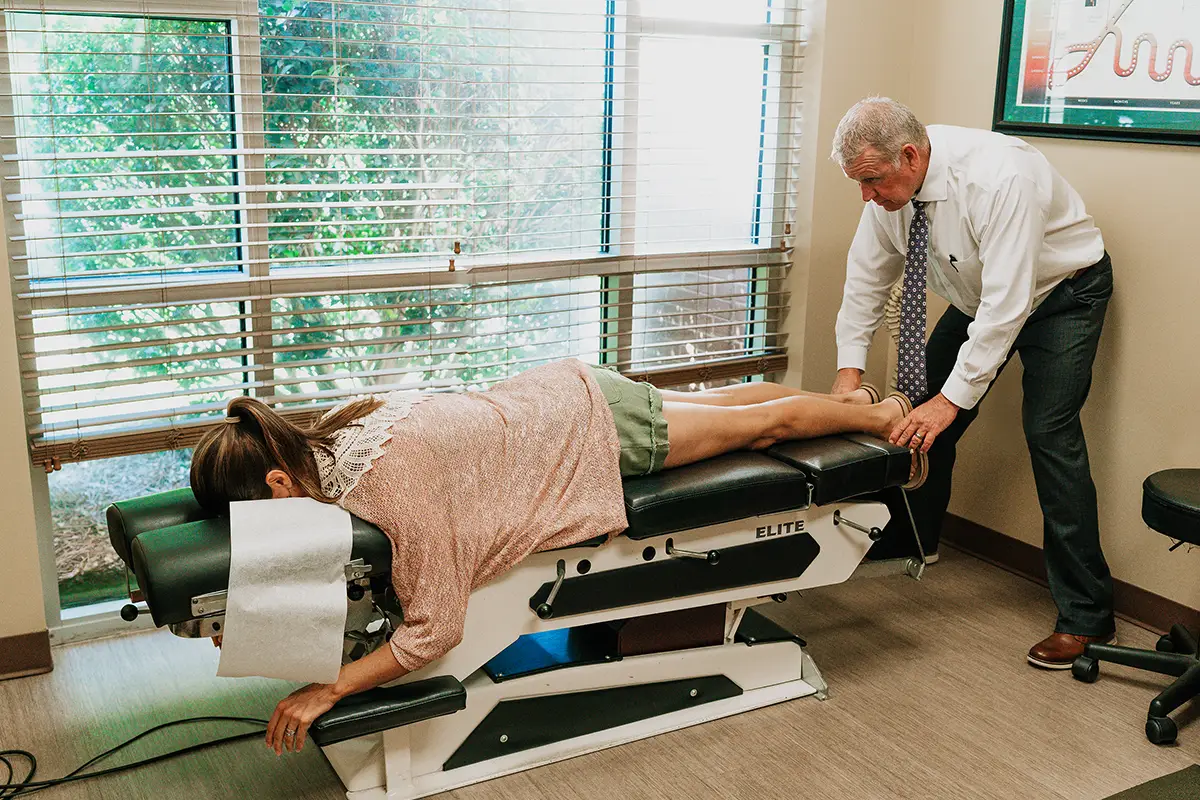
The Upper Cervical Spine Center utilizes precise, gentle procedures to correct misalignments in this delicate area without the popping, twisting, or cracking often associated with general manipulation. For an athlete, ensuring the upper cervical spine is properly aligned means the central nervous system can function without interference. This can lead to:
Faster Recovery: With the nervous system firing correctly, the body’s natural healing processes are optimized.
Improved Balance and Proprioception: The upper neck is dense with mechanoreceptors that tell your brain where your body is in space. Correcting this area can instantly improve agility and balance.
Postural Restoration: The head sits on the Atlas bone. If the Atlas is tilted, the body will twist and contort the spine below it to keep the eyes level. Correcting the head position can resolve compensatory pains in the lower back, hips, and knees.
If you have chronic issues that haven't responded to traditional therapy, or if you participate in high-impact sports, the specialized care at the Upper Cervical Spine Center could be the missing link in your recovery strategy.
Finding the Right Sports Chiropractor Near Me
Ready to take the next step? Here is a practical roadmap for finding the best chiropactic local care.
Start with Trusted Referrals: Ask your coaches, trainers, or fellow teammates who they see. Word-of-mouth in the athletic community is gold. If a chiropractor has a reputation for getting players back on the field quickly, that’s a good sign.
Scrutinize Reviews Specifically for "Sports": When reading online reviews, look for keywords. Generic "great doctor" reviews are nice, but look for stories like "helped me finish my marathon" or "fixed my throwing shoulder." These narratives confirm the doctor’s ability to handle athletic cases.
Check the Facility: Look at photos of the clinic online. Does it look like a standard doctor's office, or is there open space for movement? Do they have rehab equipment like stability balls, resistance bands, or squat racks? The physical environment of the clinic often reflects the doctor's treatment style.
The Initial Consult: Treat your first visit like an interview. Ask them how they define recovery. Ask them if they will give you homework (exercises). A good sports chiropractor acts as a coach for your health, educating you on how to stay injury-free rather than making you dependent on their adjustments.
Frequently Asked Questions
Is chiropractic care safe for acute sports injuries?
A qualified sports chiropractor can assess if an injury is stable for treatment, ruling out serious issues like fractures or tears needing surgery. For acute strains and sprains, early chiropractic care can help reduce inflammation and minimize scar tissue.
How often should an athlete see a chiropractor?
The frequency of visits depends on your training and injury history. During the early stages of an injury, you may need 2-3 sessions per week, tapering off as you recover. Many athletes opt for maintenance care every few weeks or monthly to keep joints mobile and address minor issues before they escalate.
Will my insurance cover a sports chiropractor?
Many insurance plans cover chiropractic care, but the specifics can vary. Specialized treatments like dry needling or laser therapy might not be covered and could be an out-of-pocket expense. To avoid surprises, it's always best to call the office beforehand to verify your benefits.
Can a chiropractor help with concussion recovery?
Chiropractors can play a key role in managing post-concussion syndrome by addressing cervical spine issues caused by whiplash from the injury. Correcting neck misalignments may help reduce headaches and dizziness linked to concussions. While they don't cure concussions, their care can significantly aid recovery.
Invest in Your Athletic Longevity
Your body is the only piece of equipment you can't replace. In the drive to run faster, lift heavier, and score more, it is easy to view recovery as downtime—a pause in the action. But true recovery is an active process. It is the period where gains are solidified and the body rebuilds itself stronger than before.
Choosing the right sports chiropractor is an investment in that process. Whether you choose a practitioner who focuses on soft tissue work or seek out the specialized precision of the Upper Cervical Spine Center, the goal remains the same: to remove barriers to performance and let your body function at its absolute best. Don't wait until you are sidelined by injury to start looking. Build your recovery team now, and give yourself the competitive edge of health, mobility, and longevity.
Upper Cervical Spine Center
https://maps.app.goo.gl/7z8cKyohFGmgGe1F8
2550 W Arrowood Rd #104, Charlotte, NC 28273
(704) 588-5560
https://www.uppercervicalspinecenter.com/
Address
2550 W Arrowood Rd
Suite 104
Charlotte, North Carolina, 28273
United States
Hours
Monday-Friday:
9AM-12PM
&
2PM-6PM
We Align the Head and Neck So That the Nerves Can Send Brain Healing Messages to Affected Parts Of Your Body.
It's a Natural Self Healing.
