
Nearest Chiropractor Near Me

Nearest Chiropractor Near Me: What to Expect on Your First Visit
Booking a medical appointment with a new provider often brings a mix of relief and anxiety. You are relieved because you are finally addressing that nagging back pain or persistent migraine, but you might be anxious because you aren't sure what happens next. This is especially true for chiropractic care, a field surrounded by misconceptions about "cracking" bones and twisting necks.
If you have been searching for the "nearest chiropractor near me" to help alleviate chronic pain or improve your mobility, you are taking a positive step toward holistic health. Chiropractic care focuses on the diagnosis, treatment, and prevention of mechanical disorders of the musculoskeletal system, particularly the spine. It is a drug-free, non-invasive approach that millions of people rely on for wellness.
However, walking into a clinic without knowing the protocol can be intimidating. This guide breaks down exactly what happens during that initial consultation, how to find the right provider for your needs, and why specialized care—such as that offered by the Upper Cervical Spine Center—might be the missing link in your health journey.
Finding a Chiropractor Near You
Typing "chiropractor near me" into a search engine will likely yield dozens of results, but proximity shouldn't be your only metric. Your spinal health is central to your overall nervous system function, so finding a provider who aligns with your specific needs is crucial.
Start by looking at credentials and reviews. You want a licensed practitioner with a solid reputation in the community. Read through patient testimonials to see how the doctor interacts with patients. do they listen? Do they explain their processes? Do they rush through appointments?
It is also important to identify what type of care you need. Some chiropractors focus on sports injuries and rehabilitation, utilizing therapies like electric stimulation or ultrasound alongside adjustments. Others focus on prenatal care or pediatrics. A specialized subset of the profession focuses on the upper neck, known as upper cervical care. Knowing your goals—whether it's pain relief, injury recovery, or general wellness—will help you filter your search results effectively.
Finally, consider logistical factors. Check if the clinic accepts your insurance or offers flexible payment plans. Since chiropractic care often involves a series of visits to correct long-standing issues, ensure their office hours align with your schedule.

What to Expect During Your First Visit
Once you have selected a clinic, the first appointment is primarily about information gathering. Unlike a standard GP visit where you might spend ten minutes with the doctor, a first chiropractic visit is usually quite thorough.
The Paperwork and History
You will likely begin with detailed intake forms. Beyond the standard address and insurance details, be prepared to answer deep questions about your health history. The chiropractor needs to know about old injuries, surgeries, car accidents (even minor ones from years ago), and your daily habits.
During the consultation, the doctor will discuss your current symptoms. Be specific. Instead of saying "my back hurts," explain that "my lower right back throbs when I sit for more than twenty minutes." This precision helps the doctor pinpoint the root cause.
The Physical Examination
Next comes the physical exam. The chiropractor will assess your posture, range of motion, and reflexes. They might ask you to bend forward, backward, or walk in a straight line to observe your gait. They will also palpate (touch) your spine to feel for muscle spasms, misalignment, or areas of tenderness.
In many cases, the doctor will request X-rays or other imaging. While not always mandatory, imaging allows the doctor to see the exact structure of your spine. It reveals issues that aren't visible on the surface, such as arthritis, fractures, or significant misalignments. This step ensures that it is safe to proceed with an adjustment.
The Report of Findings
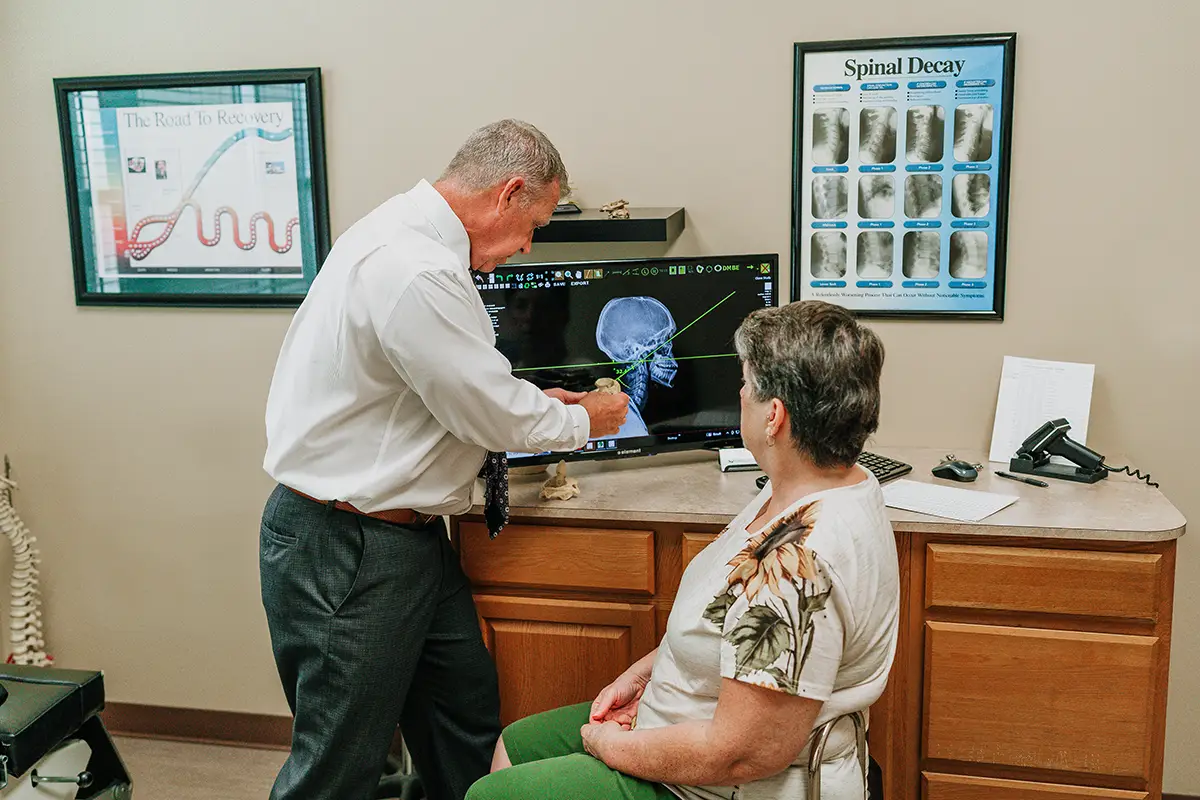
Depending on the clinic's protocol, you might get treated on the first day, or you might be scheduled for a follow-up to review the findings. Many comprehensive clinics prefer to study the X-rays and exam results before performing an adjustment. When they do review the results with you, they will explain where your spine is misaligned (subluxated) and how that is affecting your nerves and overall health. They will then propose a care plan tailored to correct these issues.
Understanding Upper Cervical Chiropractic
As you research providers, you may encounter the term "Upper Cervical." This is a distinct and highly precise form of chiropractic care that focuses on the top two bones in the neck: the Atlas (C1) and the Axis (C2).
The Atlas is the vertebra that supports the weight of the head, and the Axis provides the pivot point allowing the head to turn. These two bones are unique because they are the most mobile segments of the spine, making them the most susceptible to misalignment.
When the Atlas or Axis moves out of position, it can irritate the brainstem, which is the control center for the body's messages. This area is essentially the fuse box for your nervous system. A misalignment here does not just cause neck pain; it can distort signals going to the heart, stomach, lungs, and limbs. This interference can lead to a host of secondary conditions, including migraines, vertigo, high blood pressure, and sleep disorders.
The Upper Cervical Spine Center Approach
Clinics like the Upper Cervical Spine Center take a unique approach to correcting these misalignments. If you are nervous about the "cracking" or "popping" noise associated with general chiropractic manipulation, this method might be preferable for you.
Practitioners at the Upper Cervical Spine Center utilize advanced imaging to calculate the exact angle of the misalignment. Because every person's anatomy is slightly different, the correction must be mathematically precise. The adjustment itself is often very gentle. There is usually no twisting of the neck or forceful jerking.
The goal at the Upper Cervical Spine Center is not just to relieve pain temporarily but to hold the correction. They want the vertebra to return to its proper position and stay there, taking pressure off the brainstem and allowing the body to heal itself naturally. This focus on long-term stability often means patients require fewer adjustments over time as their bodies learn to maintain proper alignment.
Benefits of Chiropractic Care
Committing to chiropractic care can yield benefits that extend far beyond a pain-free back. By removing interference from the nervous system, you allow your body to function at its optimal level.
Enhanced Mobility and Posture
Sedentary lifestyles and desk jobs have created a posture epidemic. Regular adjustments help mobilize joints that have become stiff and restore the spine's natural curve. This leads to better posture, which in turn reduces the strain on your muscles during daily activities.
Headache and Migraine Relief
Tension headaches and migraines are among the most common reasons people seek chiropractic help. Misalignments in the neck—specifically the upper cervical region—can restrict blood flow or irritate nerves that trigger headache pain. Correcting these issues often reduces the frequency and intensity of headaches without the need for medication.
Improved Immune Function
The nervous system and the immune system are linked. When the spine is aligned, the nervous system can communicate effectively with the rest of the body, including the immune system. While an adjustment doesn't "cure" a cold, a well-functioning nervous system is better equipped to fight off invaders and recover from illness.
Stress Reduction
When your skeletal system is out of balance, your body is in a constant state of physical stress, even if you don't consciously feel it. This physical tension can compound mental stress. Realigning the spine helps the muscles relax and promotes better circulation, contributing to a greater sense of calm and well-being.
Preparing for Your Chiropractic Appointment
To get the most out of your visit to the nearest chiropractor or specialized center, a little preparation goes a long way.
First, dress comfortably. You don't need to wear gym clothes, but try to avoid restrictive clothing. If you are coming from work, you might want to bring a change of clothes if your attire is tight or layered. This allows you to move freely during the exam and allows the doctor to access your spine easily.
Hydration is also key. Well-hydrated muscles are more pliable and less prone to spasms. Drinking water before and after your appointment aids the body in flushing out toxins that might be released from muscles during treatment.
Bring any relevant medical records. If you have had MRI scans, X-rays, or blood work done recently for your condition, bring the reports. This provides the chiropractor with a complete picture of your health and prevents unnecessary duplication of tests.
Finally, write down your questions. It is easy to forget what you wanted to ask when you are in the exam room. Whether you are curious about the duration of treatment, the techniques used, or how to improve your sleep ergonomics, having a list ensures you leave with answers.

After Your First Visit: Follow-Up and Care
The period immediately following your first adjustment is important. Patients react differently; many feel an instant sense of relief and improved mobility. Others may feel a mild soreness, similar to the feeling after a good workout. This is normal. Your muscles and ligaments are adjusting to a new position after potentially years of being misaligned.
Your chiropractor will likely give you "homework." This might include using ice packs to reduce inflammation, applying heat to relax muscles, or performing specific stretches. Following these instructions is vital for holding your adjustment.
You might also experience a sensation of fatigue. As the body releases tension and the nervous system resets, it uses energy to heal. Listen to your body and get extra rest if needed.
Consistency is the secret to success in chiropractic care. One visit rarely fixes a chronic issue. Just as you wouldn't expect to get in shape after one gym session, retraining the spine takes time. Stick to the treatment plan recommended by your doctor, whether it involves intensive care upfront or periodic maintenance visits.
Embracing Chiropractic for Better Health
Taking the initiative to search for the nearest skilled chiropractor and booking that first appointment is a commendation of your commitment to self-care. Whether you choose a general practitioner or a specialist like those at the Upper Cervical Spine Center, you are choosing a path that respects the body's innate ability to heal.
The first visit removes the mystery. It is a structured, logical process designed to uncover the root cause of your discomfort. By understanding your spine's role in your overall health and following through with a tailored care plan, you are setting the stage for a more active, pain-free, and vibrant life.
Upper Cervical Spine Center
https://maps.app.goo.gl/7z8cKyohFGmgGe1F8
2550 W Arrowood Rd #104, Charlotte, NC 28273
(704) 588-5560
https://www.uppercervicalspinecenter.com/
Address
2550 W Arrowood Rd
Suite 104
Charlotte, North Carolina, 28273
United States
Hours
Monday-Friday:
9AM-12PM
&
2PM-6PM
We Align the Head and Neck So That the Nerves Can Send Brain Healing Messages to Affected Parts Of Your Body.
It's a Natural Self Healing.
