
Migraine Treatments Charlotte NC

Migraine Treatments Charlotte NC
If you suffer from migraines in the Charlotte area, you know how debilitating they can be. They're more than "just a headache"—they're thieves that steal your time, productivity, and joy, forcing you into isolation while life goes on without you.
Many find themselves in an exhausting cycle: warning signs appear, medication is taken, and you're left waiting for relief that often doesn't fully come, leaving a "migraine hangover" in its wake. If you've missed work or canceled plans because of the pain, you're not alone. While medication can mask symptoms, it rarely addresses the root cause, leading many to search for a better, more permanent solution.
Fortunately, there is hope beyond the prescription bottle. A growing number of patients in Charlotte, NC, are finding long-term relief through a specialized approach called Upper Cervical Care. At the Upper Cervical Spine Center, doctors focus on correcting structural misalignments in the upper neck, uncovering and treating the hidden triggers behind chronic migraines.
Understanding the Beast: Symptoms and Types of Migraines
To defeat an enemy, you first have to understand it. Migraines are complex neurological events that affect the central nervous system. They involve much more than head pain; they are a systemic issue that can affect your vision, digestion, and sensory processing.
The Phases of a Migraine
A migraine attack often progresses through four distinct stages, though not everyone experiences all of them:
Prodrome: Occurring one or two days before the headache, this phase warns you of an oncoming attack. You might notice subtle changes like constipation, mood changes, food cravings, neck stiffness, or increased thirst.
Aura: For some people, an aura occurs before or during the migraine. This can include visual phenomena, such as seeing shapes, bright spots, or flashes of light. It can also involve vision loss, pins and needles sensations in an arm or leg, or difficulty speaking.
Attack: A migraine usually lasts from four to 72 hours if untreated. The frequency with which headaches occur varies from person to person. During an attack, you may experience pain on one or both sides of your head, throbbing or pulsing sensations, sensitivity to light and sound, and nausea and vomiting.
Post-drome: After a migraine attack, you might feel drained, confused, and washed out for up to a day. Some people report feeling elated. Sudden head movement might bring on the pain again briefly.
Common Types of Migraines
- Migraine without Aura (Common Migraine): The most prevalent type, characterized by a pulsing headache on one side, accompanied by nausea or light sensitivity, but lacking the visual warning signs.
- Migraine with Aura (Classic Migraine): Includes the visual or sensory disturbances mentioned above. These usually happen less than an hour before the pain starts.
- Chronic Migraine: Defined as having a headache on 15 or more days per month for more than three months, with at least eight of those days having migraine features.
- Vestibular Migraine: This type involves dizziness and balance problems. You might not even have a headache, but you will experience vertigo and sensitivity to motion.
Traditional Migraine Treatments vs. Alternative Approaches
The standard medical approach to migraines typically focuses on symptom management. The goal is to stop the pain once it starts or to reduce the frequency of attacks through chemical intervention.
The Pharmacological Route
Initially, many turn to over-the-counter drugs like ibuprofen. If these prove insufficient, doctors may prescribe triptans, which block pain signals in the brain. For chronic cases, preventative medications such as anti-seizure drugs, beta-blockers, or antidepressants might be recommended.
While these medications can offer relief, they aren't without drawbacks. Side effects can range from drowsiness to more serious issues. A significant concern is the risk of "rebound headaches," where the medication itself starts causing more headaches as it wears off, leading to a difficult cycle of pain and dependency.
Botox and Injections
In recent years, Botox injections have become a popular treatment for chronic migraines. The toxin is injected into muscles around the forehead and neck to block nerve signals. While effective for some, it requires repeat treatments every 12 weeks and, again, acts as a temporary block rather than a permanent fix.
The Shift Toward Alternative Care
Because of the limitations and side effects of medication, many Charlotte residents are turning toward alternative therapies. These include:
- Acupuncture: Using thin needles to stimulate specific points on the body to alter pain processing.
- Biofeedback: Learning to control bodily functions like muscle tension to reduce stress triggers.
- Magnesium Supplementation: Addressing potential mineral deficiencies that can lead to headaches.
However, one alternative approach stands out because it addresses the anatomical bridge between the head and the body: Upper Cervical Chiropractic care.
The Upper Cervical Spine Center's Approach to Relief
The Upper Cervical Spine Center takes a distinct approach to migraine treatment. Rather than asking "How do we stop the pain right now?", the doctors here ask, "What is causing the nervous system to malfunction in the first place?"
The Anatomy of the Problem
The Atlas (C1) and Axis (C2), the top two vertebrae in your neck, are uniquely designed for head mobility. Unlike other spinal vertebrae, they lack locking intervertebral discs, which makes them less stable.
These bones protect the brainstem—the body's command center, responsible for vital functions like blood flow and pain signaling. Even a minor misalignment of the Atlas or Axis can put pressure on the brainstem, disrupting blood and cerebrospinal fluid flow from the brain. This irritation to the central nervous system can trigger a migraine.
The Precision Correction
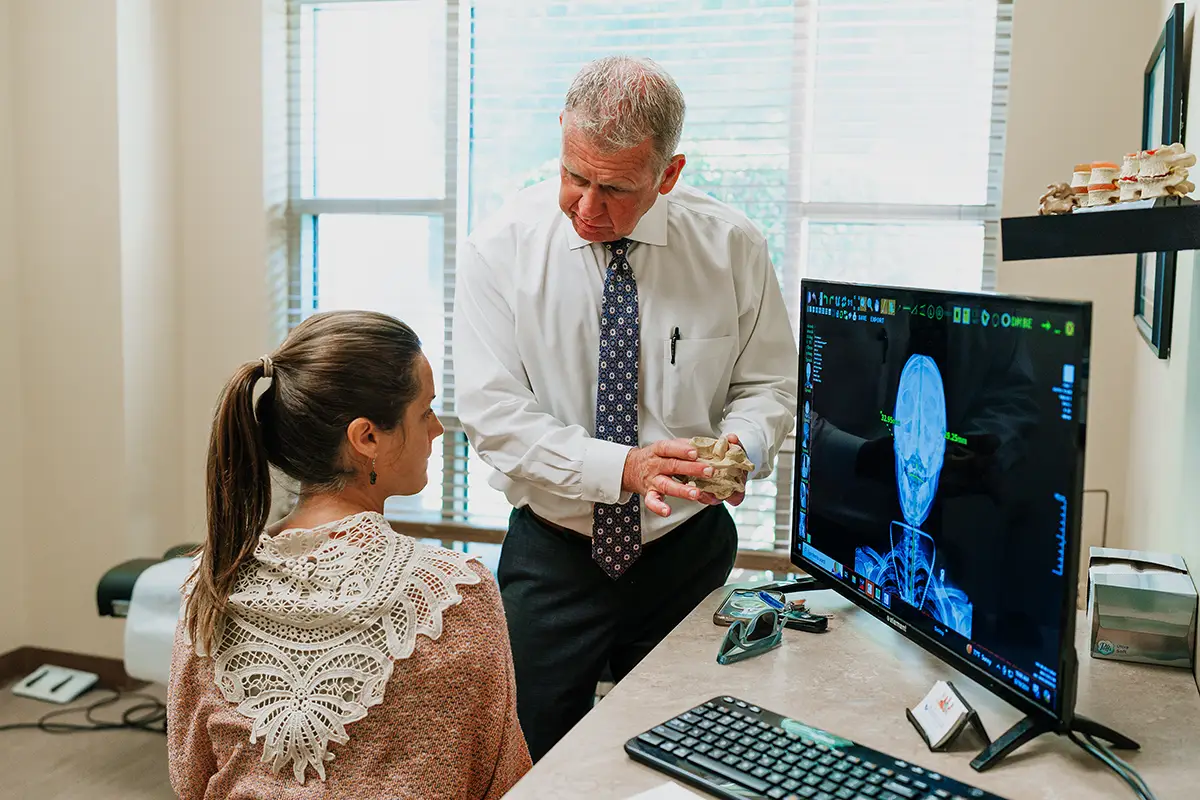
The Upper Cervical Spine Center specializes in precise, gentle corrections for specific spinal misalignments, without twisting or cracking. Using advanced diagnostics, doctors calculate the exact angle needed to guide vertebrae back into alignment. This restores structural balance, relieves brainstem pressure, improves blood flow, and activates the body’s natural healing process.
Benefits of Upper Cervical Care for Migraine Sufferers
Choosing Upper Cervical care offers several distinct advantages over relying solely on medication.
Targeting the Root Cause
Medication is like taking the batteries out of a smoke alarm; it stops the noise, but it doesn't put out the fire. Upper Cervical care seeks to put out the fire. By correcting the structural issue causing the neurological distress, the goal is long-term resolution, not just temporary relief.
A Natural, Drug-Free Solution
For patients who are tired of the side effects of prescription drugs or who are concerned about long-term liver and kidney health, this is a completely natural alternative. It relies on the body's innate intelligence to heal itself once the interference is removed.
Cumulative Healing
With traditional chiropractic, you might need adjustments endlessly. With Upper Cervical care, the goal is "holding" the adjustment. When the vertebrae stay in place, healing happens. Over time, as your ligaments strengthen and your spine stabilizes, you should require fewer and fewer visits.
Improvements Beyond Headaches
Because the brainstem controls so much of the body's function, patients often report improvements in other areas. Better sleep, improved digestion, lower blood pressure, and reduced anxiety are common "side effects" of correcting the upper neck.
What to Expect During Your First Visit
Walking into a new doctor's office can be intimidating, especially when you are in pain. Knowing what to expect at the Upper Cervical Spine Center can help put your mind at ease.
The Consultation
Your journey begins with a conversation. The doctor will sit down with you to discuss your health history, the history of your migraines, and any past traumas—car accidents, sports injuries, or falls—that may have caused the initial injury to your neck.
The Examination
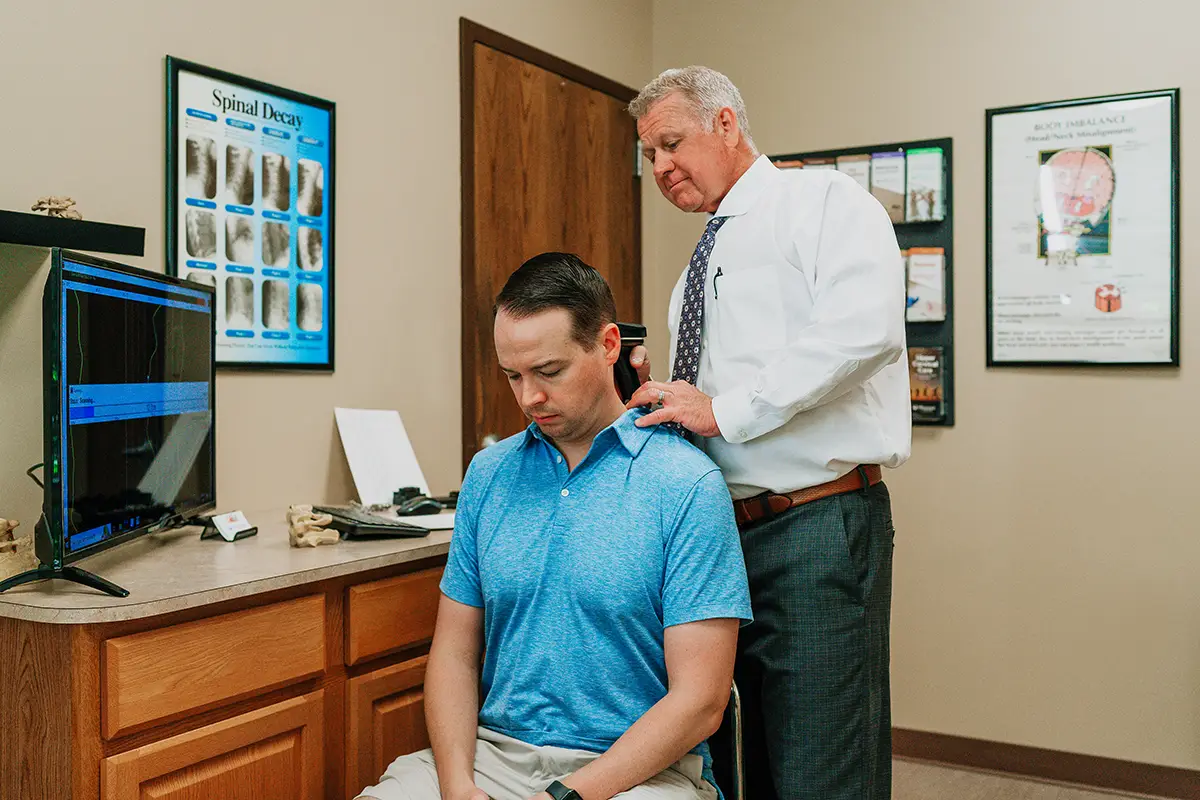
If the consultation suggests you are a candidate for care, the doctor will perform a physical exam. This includes specific neurological tests to check for signs of brainstem pressure and postural analysis to see if a neck misalignment is affecting your overall body balance (such as one leg appearing shorter than the other).
Precision Imaging
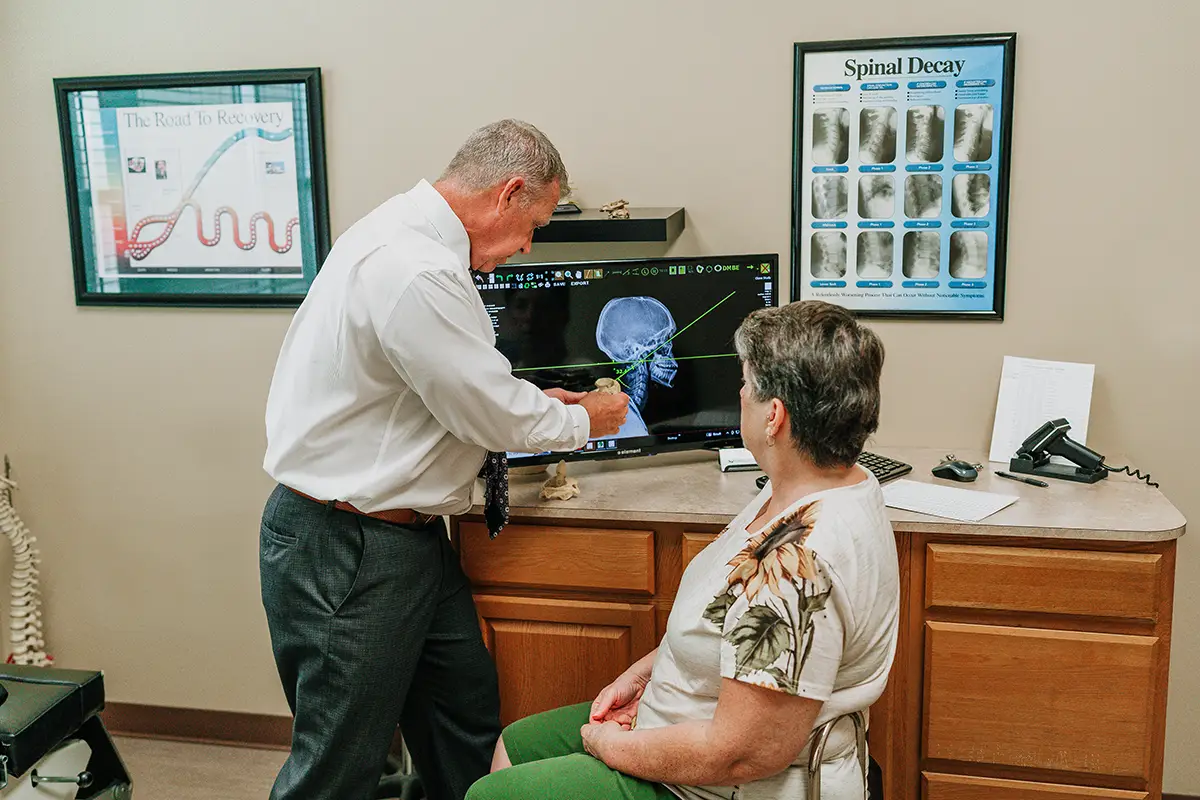
Guesswork has no place in your healthcare. The most critical step is taking specialized 3D X-rays or Cone Beam CT scans. These images allow the doctor to view the exact position of your Atlas and Axis in relation to your skull and the rest of your neck. This "blueprint" is used to customize your correction. No two necks are the same, and no two adjustments are the same.
The Report of Findings
Before any treatment happens, the doctor will review your images with you, explaining exactly what is wrong and how they plan to fix it. You will have a clear understanding of the problem before moving forward.
How to Schedule a Consultation in Charlotte, NC
Living with migraines creates a fear of making future plans. You never know when a headache will strike. Taking the first step toward Upper Cervical care is taking control of your future.
The Upper Cervical Spine Center is conveniently located to serve the greater Charlotte area. Scheduling an appointment is the first step toward determining if an upper neck misalignment is the source of your suffering.
During your initial call, the staff will guide you through the intake process. They understand that migraine patients often have sensitivities to light and noise, and the office environment is designed to be a place of healing and calm.
Additional Tips for Managing Migraines
While correcting the structural issue in your neck is paramount, managing your lifestyle can help support your recovery and reduce the frequency of attacks while your body heals.
Hydration and Electrolytes
Dehydration is a massive trigger for many people. However, plain water isn't always enough. Ensuring you have a balance of electrolytes—sodium, potassium, and magnesium—is crucial for nerve function.
Monitor Your Diet
Certain foods are known to trigger migraines in susceptible individuals. Common culprits include:
- Aged cheeses (tyramine).
- Processed meats (nitrates).
- Artificial sweeteners (aspartame).
- Alcohol, specifically red wine.
Keeping a food diary can help you identify if what you eat is contributing to your pain.
Prioritize Sleep Consistency
The migraine brain craves routine. Going to bed and waking up at the same time every day—even on weekends—helps regulate your circadian rhythm and reduces stress on the nervous system.
Magnesium Supplementation
Research suggests that many migraine sufferers have lower levels of magnesium than the general population. Magnesium helps relax blood vessels and blocks pain signals in the brain. Talk to your doctor about whether a magnesium supplement could be a helpful addition to your routine.
Finding Long-Term Relief with the Upper Cervical Spine Center
You do not have to accept migraines as a permanent part of your life. The dark rooms, the canceled plans, and the constant fear of the next attack do not have to define your future.
If you have tried every medication and every therapy without success, the answer may not be in your medicine cabinet, but in the alignment of your neck. The Upper Cervical Spine Center offers a path forward that addresses the cause, honors the body's ability to heal, and strives to give you your life back.
It is time to look at your migraines from a new angle. Schedule your consultation in Charlotte area today and take the first step toward a life free from the shadow of chronic pain.
Address
2550 W Arrowood Rd
Suite 104
Charlotte, North Carolina, 28273
United States
Hours
Monday-Friday:
9AM-12PM
&
2PM-6PM
We Align the Head and Neck So That the Nerves Can Send Brain Healing Messages to Affected Parts Of Your Body.
It's a Natural Self Healing.
