
Migraine Treatment Near Me

Migraine Treatment Near Me: What Works and Where to Go
Searching for effective migraine relief can feel like an endless cycle of trial and error. Migraines are more than just headaches—they're complex neurological events that can disrupt your life for days. With treatment options ranging from medications to invasive procedures and alternative therapies, finding the right approach for your unique needs can be overwhelming.
This guide dives into migraine treatment near me, exploring why standard treatments often fall short and introducing a specialized solution: upper cervical care. By addressing the root cause rather than just masking symptoms, this approach offers hope for lasting relief. Ready to take control of your migraines? Read on.
What Are Migraines?
To treat a migraine effectively, you first have to understand that it is a distinct medical condition. Unlike a tension headache, which might feel like a tight band around your forehead, a migraine is a neurological storm. It involves nerve pathways and chemicals in the brain, resulting in a cascade of symptoms that can leave a person incapacitated.
Common Symptoms and Triggers
The hallmark of a migraine is an intense, throbbing pain, usually on one side of the head. But the pain is often accompanied by a host of other debilitating symptoms, including:
- Sensory Sensitivity: Bright lights (photophobia), loud noises (phonophobia), and even strong smells can become unbearable.
- Nausea and Vomiting: Many sufferers experience severe stomach upset.
- Visual Disturbances (Aura): About 25% of migraine sufferers experience an "aura" before the pain hits. This can manifest as flashing lights, blind spots, or zigzag patterns in your vision.
- Cognitive Fog: Difficulty concentrating or finding words is common during and after an attack.
Triggers vary wildly from person to person. For some, it is stress or lack of sleep. For others, it might be specific foods like aged cheese or red wine, hormonal changes, or weather shifts. Identifying your triggers is a crucial step in management, but avoiding them isn't always possible or effective enough to stop attacks completely.
The Impact of Migraines on Daily Life
The World Health Organization classifies severe migraine attacks as among the most disabling illnesses, comparable to dementia, quadriplegia, and active psychosis. The impact goes far beyond the hours spent in pain.
There is the "interictal" burden—the anxiety felt between attacks. Sufferers often cancel plans, avoid social gatherings, or miss work because they are terrified a migraine might strike. This unpredictability strains relationships and careers. When you are constantly searching for "migraine treatment near me," you aren't just looking for pain relief; you are looking for a way to get your reliability and your life back.
Exploring Conventional Migraine Treatments
Most people start their journey in the aisles of a pharmacy or at a general practitioner's office. Conventional medicine generally falls into two categories: acute (abortive) treatment and preventive treatment.
Over-the-Counter Medications
For mild to moderate migraines, over-the-Counter (OTC) drugs are the first line of defense.
- Analgesics: Simple pain relievers like aspirin, ibuprofen (Advil, Motrin), and acetaminophen (Tylenol).
- Combination Drugs: Medications like Excedrin Migraine combine aspirin, acetaminophen, and caffeine. Caffeine can be effective because it constricts blood vessels, which may help counteract the dilation that occurs during a migraine.
While accessible, these medications often fail to stop severe attacks. Furthermore, overuse can lead to "rebound headaches," a vicious cycle where the medication itself causes more frequent headaches.
Prescription Medications
When OTC options fail, doctors typically prescribe stronger medications.
- Triptans: These are specifically designed for migraines. They work by stimulating serotonin receptors in the brain to constrict blood vessels and block pain pathways.
- Ergotamines: Often used for migraines that last for more than 48 hours, these are older drugs that also work on blood vessel constriction.
- Preventive Meds: If you have frequent migraines, you might be prescribed daily medication to reduce their frequency. These often include beta-blockers (blood pressure meds), antidepressants, or anti-seizure medications (like Topamax).
- CGRP Inhibitors: A newer class of drugs, these block a protein called calcitonin gene-related peptide, which surges during a migraine.
Limitations of Traditional Treatments
While modern medicine has come a long way, it is not a cure-all. Many patients find that prescription drugs only dull the pain rather than removing it. Others experience side effects that are almost as bad as the migraine itself, such as extreme fatigue, weight gain, dizziness, or nausea.
Perhaps the biggest frustration is that conventional medicine largely treats the symptoms. It tries to shut down the pain signal or force blood vessels to constrict, but it rarely asks why the nervous system is malfunctioning in the first place. This gap in care leads many to look for alternative solutions.
Alternative Migraine Treatments
As the limitations of pharmaceuticals become apparent, many sufferers turn to holistic or alternative therapies. These approaches often focus on lifestyle and total body wellness.
Acupuncture and Massage Therapy
Acupuncture, a key component of Traditional Chinese Medicine, involves inserting thin needles into specific points on the body. Some studies suggest it can be effective for migraine prevention by stimulating nerves and releasing endorphins (natural painkillers).
Massage therapy can also be beneficial, particularly for those whose migraines are triggered by muscle tension in the neck and shoulders. Regular massage can reduce stress and improve blood flow, potentially lowering the frequency of tension-induced migraines.
Dietary Changes and Supplements
What you put in your body matters. An anti-inflammatory diet, rich in whole foods and low in processed ingredients, can help raise the threshold for migraine triggers.
Certain supplements have also shown promise in clinical studies:
- Magnesium: Many migraine sufferers are deficient in magnesium. Taking a daily supplement can help prevent the wave of brain signaling (cortical spreading depression) that produces visual aura.
- Riboflavin (Vitamin B2): High doses of B2 may improve energy metabolism in brain cells.
- CoQ10: An antioxidant that supports mitochondrial function.
The Upper Cervical Spine Center Approach
While diet and stress management are vital, they don't address mechanical issues in the body. This is where a more structural approach comes in. If your nervous system is physically compromised, no amount of kale or magnesium will fully fix the problem. This leads us to a specific, highly effective field of care: Upper Cervical Chiropractic.

Understanding Upper Cervical Care
If you are searching for "migraine treatment near me" and haven't looked into your neck health, you might be missing the most critical piece of the puzzle. The brainstem, which acts as the switchboard for the entire body, extends down into the upper neck.
The Atlas and Its Role in Migraines
The top two bones in your neck are the Atlas (C1) and the Axis (C2). The Atlas holds up the weight of your head (about 10-12 pounds). Unlike the other vertebrae in your spine, which lock together, the Atlas relies heavily on soft tissue (muscles and ligaments) to stay in place. This allows for a great range of motion, but it also makes this area highly susceptible to injury.
accidents, sports injuries, or even poor posture (like looking down at a phone for hours) can cause the Atlas to shift out of alignment.
When the Atlas misaligns, two major things happen that relate to migraines:
Brainstem Pressure: The misalignment can put mechanical tension or pressure on the brainstem. This irritates the nerves and can distort the signals traveling between the brain and the body.
Blood Flow and CSF Restriction: The vertebral arteries and cerebrospinal fluid (CSF) pass through this area. Misalignment can impede the proper drainage of fluid from the brain or restrict blood flow entering the brain. This vascular and fluid dynamic is a well-documented contributor to migraine pathology.
How Upper Cervical Adjustments Can Help
Upper cervical care is distinct from general chiropractic. There is no twisting, cracking, or popping of the neck. Instead, the focus is on precision.
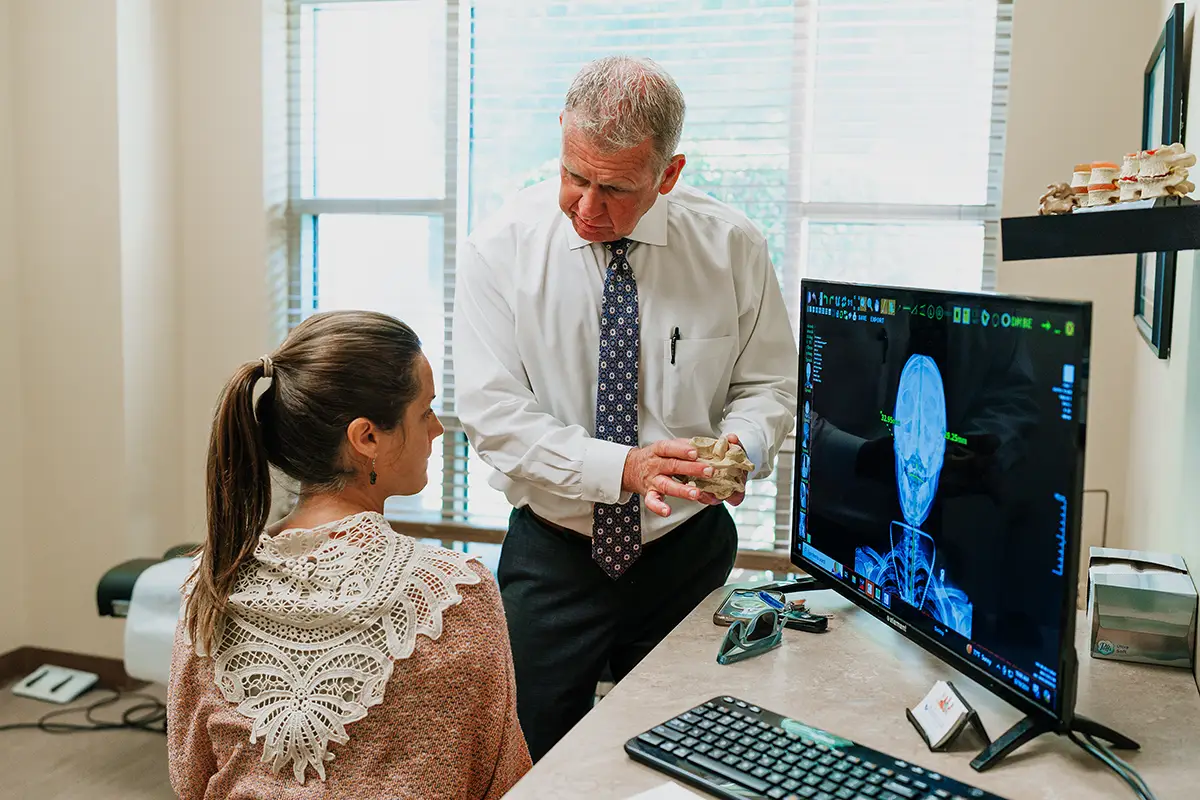
Doctors in this field use specialized imaging (often 3D CBCT scans) to visualize the exact position of the Atlas and Axis. Once the misalignment is calculated to the millimeter, a gentle, specific correction is applied to guide the vertebra back into its proper neutral position.
When the Atlas is aligned:
- Pressure is removed from the brainstem.
- Blood flow and CSF drainage normalize.
- The nervous system can calm down, reducing the hyperexcitability that leads to migraines.
For many patients, this correction provides the long-term relief that medication never could, because it fixes the mechanical interference causing the neurological storm.
Finding the Right Migraine Treatment Near You
Navigating the healthcare system can be daunting. When you begin your search for a provider, don't settle for the first result on Google Maps. You need a partner in your health, not just a prescription pad.
Questions to Ask Potential Providers
Whether you are interviewing a neurologist or a chiropractor, here are some questions to gauge if they are the right fit:
- "Do you focus on symptom management or finding the root cause?"
- "What kind of diagnostic testing do you perform?" (If they don't look before they treat, that's a red flag).
- "What is your success rate with migraine cases specifically?"
- "Do you have a plan for long-term prevention that doesn't rely solely on medication?"
What to Expect During Your First Consultation
A quality consultation should never feel rushed. The doctor should take a detailed health history, listening to your story from the very first headache.
If you visit an upper cervical specialist, expect a comprehensive physical exam that checks your posture, balance, and neurological function. If indicators of a misalignment are found, they will likely proceed to precise X-rays or scans. This data-driven approach ensures that the treatment is tailored exactly to your anatomy.

The Upper Cervical Spine Center Difference
If you are located in the Charlotte, NC area, or are willing to travel for top-tier care, The Upper Cervical Spine Center stands out as a leader in this field. Led by Dr. Ray Drury, the center has helped thousands of patients reclaim their lives from chronic migraines.
Our Unique Approach to Migraine Relief
At The Upper Cervical Spine Center, we don't guess—we test. We understand that every migraine sufferer is different, but the anatomy of the upper neck is a common factor that is frequently overlooked by other practitioners.
Our approach is gentle and precise. We avoid the "crack and pop" manipulation that makes many people nervous about seeing a chiropractor. Instead, we use a specific protocol to correct the Atlas subluxation.
Why does this work so well for migraines? Because we are restoring the body's ability to heal itself. We aren't adding a chemical to your body to block pain; we are removing the physical obstruction that is causing the pain.
Many of our patients come to us as a last resort, having tried every pill, injection, and diet available. They often find that after a course of care to stabilize their upper neck, their migraines decrease significantly in frequency and intensity, or disappear altogether.
Taking Control of Your Migraines
Living with migraines can feel like being in the dark, both literally and figuratively. While medication offers temporary relief, it often isn't a long-term solution. True healing means looking deeper, specifically at your nervous system. A past head or neck injury—even a minor one from years ago—could have caused an upper cervical misalignment, which may be the hidden source of your pain.
Instead of just managing your symptoms, it's time to address the root cause. When searching for "migraine treatment near me," find a provider focused on precise, comprehensive diagnostics. If you're ready to see how upper cervical care can change your life, contact The Upper Cervical Spine Center today.
Upper Cervical Spine Center
https://maps.app.goo.gl/7z8cKyohFGmgGe1F8
2550 W Arrowood Rd #104, Charlotte, NC 28273
(704) 588-5560
https://www.uppercervicalspinecenter.com/
Address
2550 W Arrowood Rd
Suite 104
Charlotte, North Carolina, 28273
United States
Hours
Monday-Friday:
9AM-12PM
&
2PM-6PM
We Align the Head and Neck So That the Nerves Can Send Brain Healing Messages to Affected Parts Of Your Body.
It's a Natural Self Healing.
