
Herniated Disc Treatment Near Me

How to Choose the Right Herniated Disc Treatment Near Me
Back pain is a common companion for many, but when that dull ache turns into sharp, shooting pain down your leg or arm, you might be dealing with something more specific: a herniated disc. It’s a diagnosis that can feel overwhelming. Suddenly, simple tasks like tying your shoes or sitting at a desk become agonizing feats of endurance.
If you’ve recently been diagnosed or suspect you have a herniated disc, your first instinct is likely to search for "herniated disc treatment near me." But with so many options available—from chiropractors and physical therapists to pain management specialists and surgeons—how do you know which path is right for you?
Navigating the healthcare landscape when you are in pain is difficult. This guide explores the spectrum of treatments available, helps you understand the differences between surgical and non-surgical approaches, and introduces specialized care options like the Upper Cervical Spine Center to help you make an empowered decision about your health.
Understanding the Enemy: Herniated Discs Explained
To choose the right treatment, you first need to understand what is happening inside your spine. Your spine is made up of vertebrae (bones) stacked on top of each other. Between these bones are rubbery cushions called discs. These discs act as shock absorbers, allowing you to move, bend, and twist.
A disc has a soft, jelly-like center (nucleus) encased in a tougher, rubbery exterior (annulus). A herniated disc—sometimes called a slipped or ruptured disc—occurs when some of that soft center pushes out through a tear in the exterior.
Symptoms to Watch For
The symptoms depend largely on where the herniated disc is located and whether it is pressing on a nerve.
- Arm or Leg Pain: If the herniation is in your lower back, you’ll typically feel pain in your buttocks, thigh, and calf. If it’s in your neck, the pain will likely be in your shoulder and arm. This pain often shoots into the limb when you cough, sneeze, or move into certain positions.
- Numbness or Tingling: People with a herniated disc often experience radiating numbness or tingling in the body part served by the affected nerves.
- Weakness: Muscles served by the affected nerves tend to weaken. This may cause you to stumble, or impair your ability to lift or hold items.
Common Causes
Herniated discs are most often the result of gradual, aging-related wear and tear called disc degeneration. As you age, your spinal discs lose some of their water content. That makes them less flexible and more prone to tearing or rupturing with even a minor strain or twist.
Other causes can include using your back muscles instead of your leg and thigh muscles to lift heavy objects, or traumatic events like a fall or a blow to the back.
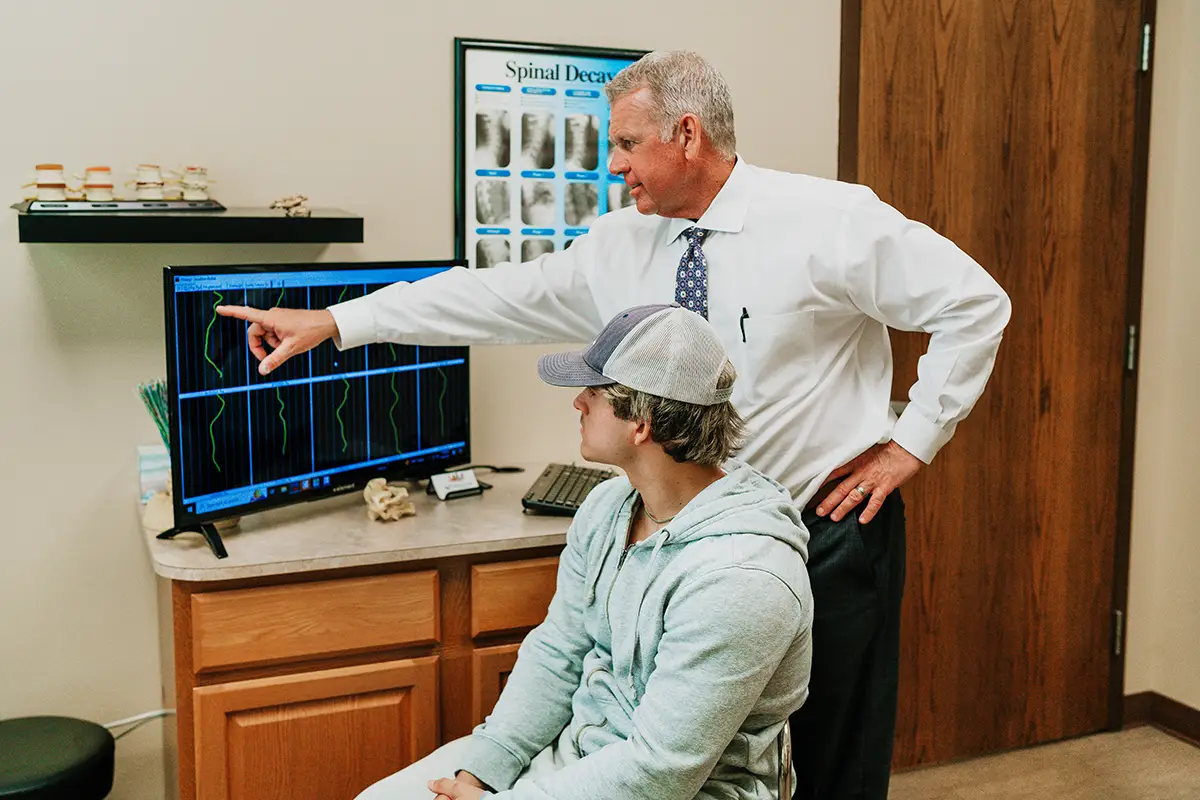
The Treatment Spectrum: Non-Surgical vs. Surgical
The good news is that not every herniated disc requires surgery. In fact, the vast majority of people find relief through non-surgical methods. Doctors usually begin with conservative treatments and only suggest surgery if those measures fail to improve symptoms after six weeks or if there is significant muscle weakness.
Conservative (Non-Surgical) Approaches
The goal here is usually pain relief and restoration of function.
- Rest and Activity Modification: Avoiding movements that worsen pain and taking short periods of rest.
- Medication: Over-the-counter pain relievers, muscle relaxers, or prescription narcotics for short-term relief.
- Physical Therapy: Exercises designed to minimize pain and improve flexibility.
- Injections: Corticosteroid injections into the area around the spinal nerves.
Surgical Interventions
Surgery is typically reserved for patients whose symptoms are intolerable, who experience progressive neurological deficits (like weakness or numbness), or who lose bowel or bladder control (a rare but urgent condition).
Deep Dive into Non-Surgical Treatments
When searching for "herniated disc treatment near me," you will likely encounter these non-surgical specialists first.
Physical Therapy
Physical therapy is often the cornerstone of herniated disc recovery. A physical therapist creates a customized plan that usually involves:
- Stretching: To keep muscles flexible and reduce stiffness.
- Strengthening: particularly of the core muscles (abdomen and back), which support the spine.
- Aerobic Conditioning: Low-impact exercises like walking or swimming to improve endurance without straining the back.
- Manual Therapy: Hands-on mobilization of joints and soft tissues.
Pain Management Clinics
These clinics focus specifically on diagnosing and managing chronic pain. They may utilize:
- Epidural Steroid Injections: A potent anti-inflammatory medication is injected directly into the space around the spinal nerve roots. This can reduce inflammation and pain, allowing the patient to progress with physical therapy.
- Radiofrequency Ablation: A procedure that uses radio waves to heat up a small area of nerve tissue to decrease pain signals from that specific area.
Chiropractic Care
Chiropractors use spinal adjustments to restore proper alignment and motion to the spine. For herniated discs, they often use gentler techniques, such as spinal decompression therapy or flexion-distraction, to reduce pressure on the disc without forceful manipulation.
Exploring Surgical Interventions
If conservative treatments fail to provide relief after several weeks or months, your specialist might discuss surgical options.
Microdiscectomy
This is the most common surgery for a herniated disc in the lumbar region (lower back). In this procedure, the surgeon removes the portion of the disc that is pressing on the nerve root. It is often done using minimally invasive techniques, meaning smaller incisions and faster recovery times compared to open surgery.
Laminectomy
In this procedure, the surgeon removes part of the bone (the lamina) from the vertebra to create more space for the spinal cord and nerves. This relieves pressure caused by the herniated disc or bone spurs.
Artificial Disc Replacement
For some patients, replacing the damaged disc with an artificial one is an option. This is more common in the neck (cervical spine) than the lower back. The goal is to maintain motion at that spinal segment, whereas fusion surgery (connecting two vertebrae) eliminates motion.
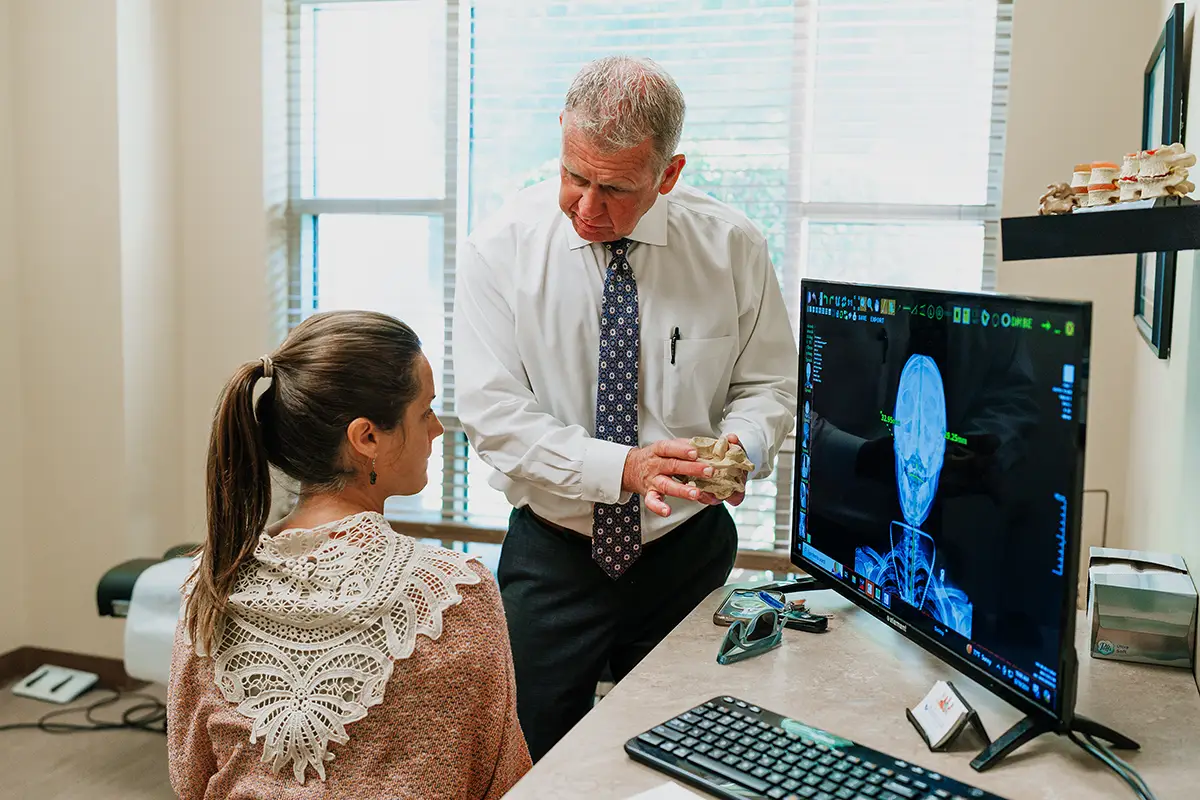
The Upper Cervical Spine Center: A Unique Approach
While traditional chiropractic and medical approaches focus on the site of the pain (the disc itself), there is another perspective that focuses on the root cause of spinal instability: the upper cervical spine. This is where The Upper Cervical Spine Center excels.
The premise is that the spine acts as a kinetic chain. The top two bones in the neck, the Atlas (C1) and Axis (C2), are the most mobile vertebrae in the spine. Because they are so mobile, they are also the most susceptible to misalignment.
When the upper cervical spine is misaligned, the head tilts slightly. The brain, which craves equilibrium, signals the body to compensate. This forces the rest of the spine to twist and turn to keep the eyes level with the horizon. This compensatory twisting puts uneven pressure on the discs lower down the spine, potentially leading to herniation over time.
How Upper Cervical Care Helps
Upper cervical doctors do not pop, twist, or crack the spine. Instead, they use precise, gentle corrections to realign the top two vertebrae.
Restoring Balance: By correcting the misalignment at the top of the neck, the head returns to a neutral position.
Removing Compensation: Once the head is straight, the rest of the spine can untwist and relax.
Relieving Pressure: As the spine aligns naturally, the uneven pressure on the lower discs is relieved, allowing the herniated disc to heal naturally and reducing the likelihood of recurrence.
For patients looking for a non-invasive, drug-free approach that addresses structural integrity rather than just symptom management, investigating the Upper Cervical Spine Center is a valuable step.
How to Choose the Right Treatment Plan
With so many avenues to explore, making a choice requires careful consideration of several factors.
Severity of Symptoms
If your pain is manageable and you have no muscle weakness, conservative care (physical therapy, upper cervical care, rest) is usually the best starting point. If you have severe weakness, "foot drop" (difficulty lifting the front part of the foot), or loss of bladder control, you need immediate medical attention, likely from a surgeon.
Duration of Pain
Acute pain (pain that started recently) often responds well to non-invasive treatments. Chronic pain that has persisted for months despite conservative treatment may require more advanced intervention, such as injections or surgery.
Lifestyle and Goals
Are you an athlete trying to get back to peak performance? A parent who needs to be able to lift a toddler? An office worker who needs to sit for eight hours? Your treatment goals will dictate your path. For example, athletes might prefer therapies that focus heavily on active rehabilitation and strengthening.
Preference for Invasive vs. Non-Invasive
Some patients want to avoid surgery at all costs and are willing to dedicate months to physical therapy or upper cervical care. Others may prefer a surgical "fix" if it promises a quicker resolution, despite the surgical risks.
Finding the Best Herniated Disc Treatment Near You
When you type "herniated disc treatment near me" into a search engine, you will get a map full of dots. How do you filter them?
Check Credentials and Reviews
Look for board-certified specialists. Read patient reviews, but do so with a critical eye. Look for patterns in the reviews—do patients mention feeling heard? Do they mention long-term relief?
Ask for Referrals
Ask your primary care physician for recommendations. Friends and family who have suffered from back pain can also be excellent resources.
Questions to Ask During a Consultation
When you meet with a provider, treating it like an interview is helpful. Consider asking:
- "What is your experience treating this specific type of herniation?"
- "What are the risks and benefits of the recommended treatment?"
- "What is the expected recovery timeline?"
- "Are there non-surgical alternatives we haven't explored yet?"
- "How often do you perform this procedure?" (If surgery is recommended)
- "Do you focus on the root cause of the misalignment or just the site of pain?" (Especially relevant for chiropractic/upper cervical consultations)

Lifestyle Adjustments and Prevention Tips
Regardless of the treatment you choose, long-term spine health requires lifestyle changes. You cannot treat a herniated disc and then return to the exact habits that caused it.
Ergonomics
If you sit at a desk, ensure your monitor is at eye level, your feet are flat on the floor, and your chair supports your lower back. Standing desks can also help vary your posture throughout the day.
Proper Lifting Techniques
Always lift with your legs, not your back. Keep the object close to your body, bend at the knees, and never twist your spine while lifting something heavy.
Weight Management
Excess weight puts additional stress on the spine, particularly the lower back. Maintaining a healthy weight can significantly reduce the load your discs have to bear.
Core Strengthening
Your spine relies on the muscles of your abdomen and back for support. A weak core forces the spine to do all the work. Regular, low-impact exercises like Pilates or yoga can help build a "corset" of muscle to protect your discs.
Smoking Cessation
Smoking reduces blood flow to the spinal discs, depriving them of the nutrients they need to stay healthy and flexible. This accelerates degeneration and hinders healing.
Your Path to Recovery Starts Here
A herniated disc diagnosis is not a life sentence of pain. It is a signal from your body that something needs to change. Whether that change involves physical therapy, specialized upper cervical care, lifestyle adjustments, or surgery, relief is possible.
The most important step is to educate yourself. Do not settle for the first result in your "herniated disc treatment near me" search. Explore your options. Consider the structural approach offered by the Upper Cervical Spine Center if you are seeking to address the root cause of spinal instability. Ask questions, advocate for your own health, and choose a provider who partners with you in your recovery.
Upper Cervical Spine Center
https://maps.app.goo.gl/7z8cKyohFGmgGe1F8
2550 W Arrowood Rd #104, Charlotte, NC 28273
(704) 588-5560
https://www.uppercervicalspinecenter.com/
Address
2550 W Arrowood Rd
Suite 104
Charlotte, North Carolina, 28273
United States
Hours
Monday-Friday:
9AM-12PM
&
2PM-6PM
We Align the Head and Neck So That the Nerves Can Send Brain Healing Messages to Affected Parts Of Your Body.
It's a Natural Self Healing.
