
Corrective Chiropractor Near Me

Corrective Chiropractor Near Me: The Key to Better Mobility and Balance
If you’ve ever woken up with a stiff neck that just won't quit, or felt that familiar twinge in your lower back when bending down to tie your shoes, you know how frustrating limited mobility can be. It’s not just about pain; it’s about the restriction of your life. You might find yourself skipping the gym, saying no to playing with your kids, or simply feeling older than your years.
When these issues arise, many people turn to quick fixes—painkillers, heating pads, or generic stretches found online. While these might offer temporary relief, they rarely address the root cause. This is where the search for a "corrective chiropractor near me" often begins. Unlike standard chiropractic adjustments that focus primarily on immediate symptom relief, corrective chiropractic care digs deeper. It aims to restore the spine to its structural integrity, ensuring your nervous system functions optimally.
In this guide, we will explore what sets corrective chiropractic apart, why mobility and balance are critical pillars of your health, and how finding the right practitioner can change your life. We will also introduce you to the specific approach taken by the Upper Cervical Spine Center, a leader in restoring spinal health for long-term wellness.
What is Corrective Chiropractic Care?
To understand corrective chiropractic, it helps to first look at the traditional model. Most people associate chiropractors with "cracking backs" to relieve pain. This is often referred to as relief care. The goal is valid: get the patient out of pain as quickly as possible. However, once the pain is gone, the treatment usually stops, even if the underlying structural issue remains.
Corrective chiropractic care operates on a different philosophy. It views the spine as a complex architectural structure. If the foundation is weak or misaligned, the entire house suffers.
Structural Integrity vs. Symptom Management
Think of your spine like the alignment of a car. If your wheels are out of alignment, your tires will wear down unevenly. You could keep buying new tires (symptom management), or you could fix the alignment (structural correction).
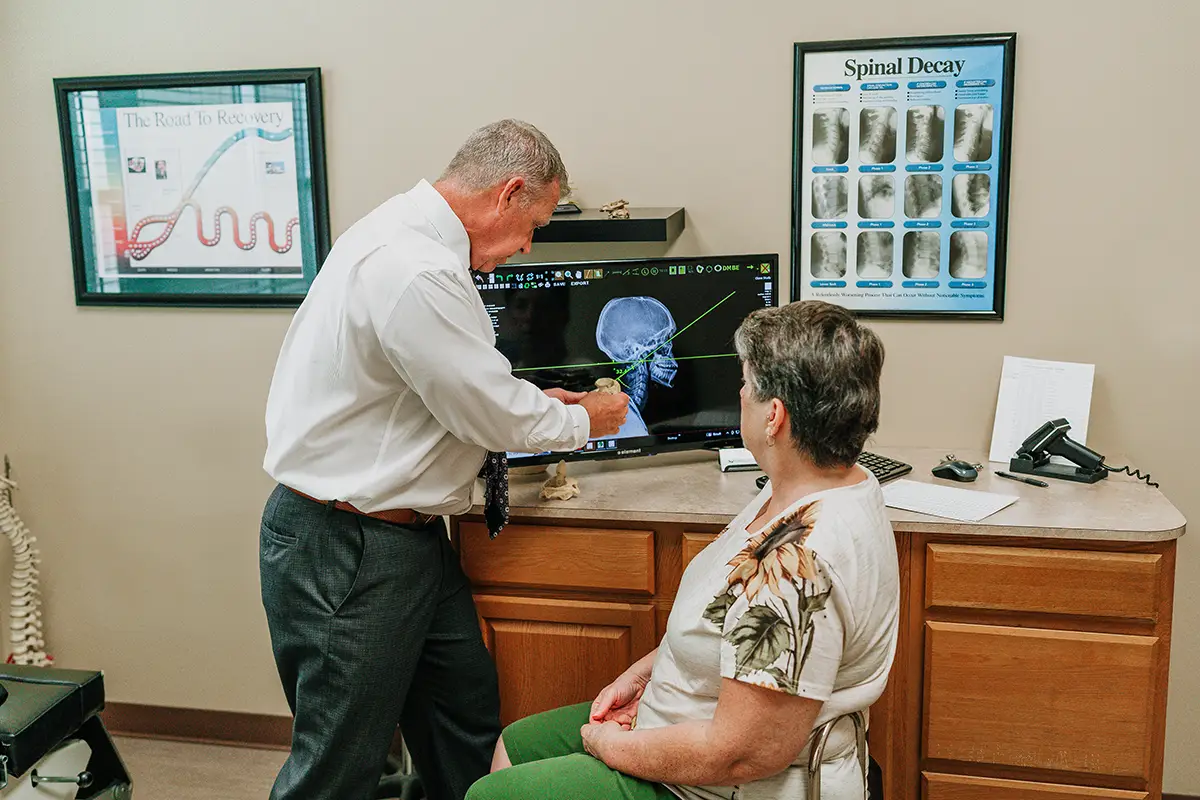
Corrective chiropractors use advanced imaging, digital x-rays, and precise measurements to analyze the curvature and alignment of the spine. They aren't just looking for where it hurts; they are looking for why it hurts. They aim to restore the spine's natural curves—the lordosis in the neck and lower back, and the kyphosis in the mid-back. When these curves are lost or exaggerated due to trauma, poor posture, or tech neck, it places immense pressure on the discs and nerves.
The Nervous System Connection
The spine’s primary job is to protect the spinal cord, the highway of information between your brain and body. When the spine is structurally sound, nerve impulses flow freely. When there is a structural shift, it causes interference in this communication system. This is called a subluxation. Corrective care aims to remove this interference permanently, allowing the body to heal itself and function at 100%.
The Importance of Mobility and Balance
We often take our ability to move for granted until it’s compromised. Mobility and balance are not just athletic traits; they are essential for daily living and longevity.
Mobility: More Than Just Flexibility
Flexibility is the ability of a muscle to stretch. Mobility, however, is the ability of a joint to move actively through a range of motion. You need mobility to squat, reach overhead, or check your blind spot while driving.
When spinal alignment is off, your body compensates. Muscles tighten to protect the spine, effectively "splinting" the area. Over time, this creates a domino effect. A misalignment in the neck can cause tightness in the shoulders, which limits arm movement. A tilted pelvis can cause hip stiffness, altering your gait. Corrective chiropractic restores proper joint mechanics, allowing muscles to relax and range of motion to return.
Balance and Proprioception
Balance is controlled largely by the vestibular system in the inner ear and proprioception—your body's ability to sense where it is in space. Much of this proprioceptive input comes from the mechanoreceptors in the upper cervical spine (the neck).
If the top vertebrae in your neck (the Atlas and Axis) are misaligned, they can send garbled signals to the brain regarding your body's position. This can lead to dizziness, vertigo, and a general sense of being off-balance. By correcting the position of the upper cervical spine, chiropractors can often resolve these balance issues, reducing the risk of falls and improving coordination.
Finding a Corrective Chiropractor: What to Look For
Typing "corrective chiropractor near me" into a search engine will yield hundreds of results, but not all chiropractors practice corrective care. Here is how to distinguish a corrective specialist from a generalist:
Extensive Imaging and Analysis
A corrective chiropractor will rarely guess. They will almost always require X-rays before touching you. They need to see the structure of the spine to measure the degrees of misalignment. If a chiropractor plans to adjust you on the first visit without a thorough exam or imaging, they are likely not practicing corrective care.
A Detailed Treatment Plan
Corrective care is a process, not an event. It takes time to reshape ligaments and muscles to hold the spine in a new position. A corrective chiropractor will provide a structured treatment plan with clear goals and benchmarks for progress. This usually involves a mix of adjustments, traction, and specific exercises.
Re-examination and Post-X-rays
How do you know if the structure is actually changing? You have to look again. Corrective doctors will perform progress exams and take post-adjustment X-rays to verify that the spine is correcting. This objective data holds the doctor accountable and gives the patient peace of mind.
Focus on Education
Because this approach requires patient participation (through posture changes and home exercises), corrective chiropractors prioritize education. They want you to understand your X-rays and why you are doing what you are doing.
The Upper Cervical Spine Center: A Unique Approach
When discussing corrective care, specific attention must be paid to the upper neck. This is the specialty of the Upper Cervical Spine Center. While many corrective chiropractors look at the full spine, upper cervical doctors focus intently on the top two bones in the neck.
The Atlas and The Axis
The Atlas (C1) and the Axis (C2) are unique. Unlike the rest of the vertebrae, they have no interlocking joints or discs between them to keep them in place. They are held solely by ligaments and muscles, allowing for the immense range of motion of the head. This design makes them the most mobile segments of the spine, but also the most vulnerable to injury and misalignment.
Because the brainstem extends down into this area, a misalignment here can have catastrophic effects on the entire body. It acts as a choke point for the nervous system.
Precision Over Force
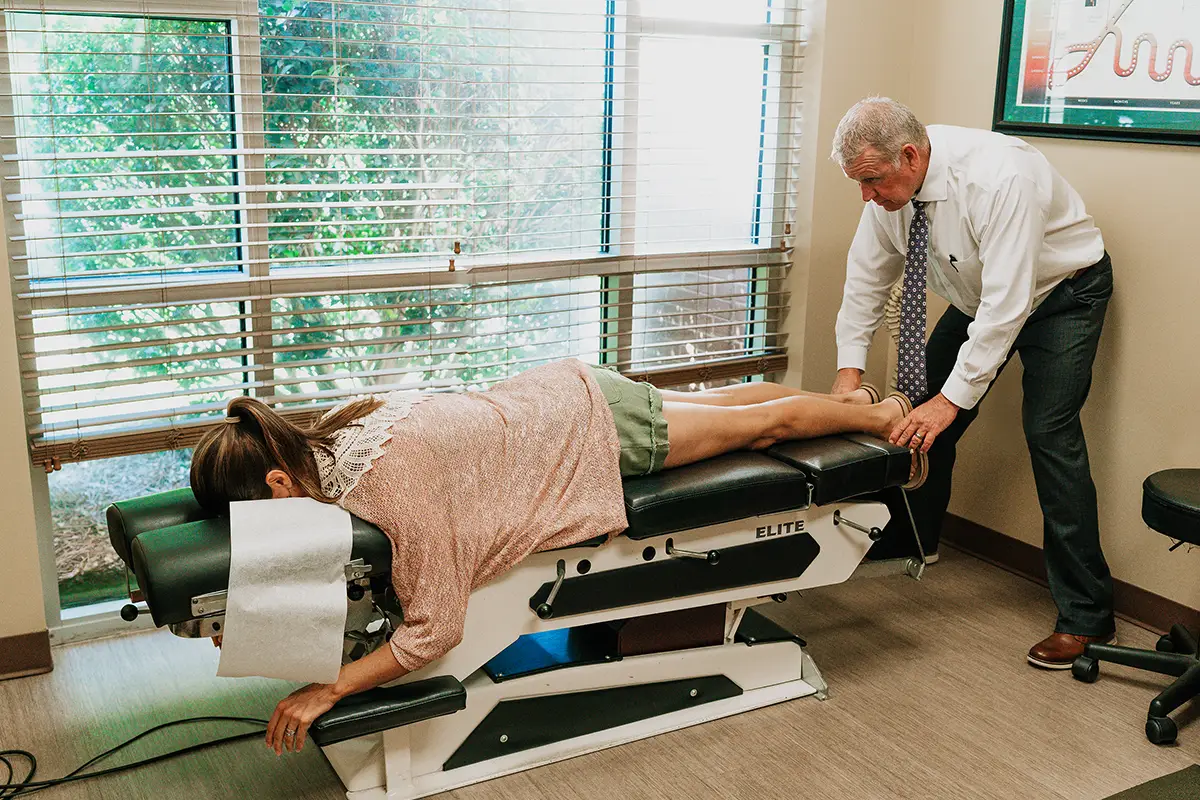
The Upper Cervical Spine Center utilizes a procedure that is distinct from general manipulation. There is no twisting, popping, or cracking of the neck. instead, the doctors use precise mathematical calculations based on 3D imaging to determine the exact angle of the misalignment.
The adjustment is extremely gentle and specific. By restoring the head to its proper position over the neck, the rest of the spine often follows suit. The body naturally wants to be straight; it just needs the interference at the top to be removed so it can balance itself. This "top-down" approach is highly effective for patients who may be nervous about traditional manual adjustments.
Conditions Treated Through Corrective Care
While patients usually seek out a corrective chiropractor for pain, the scope of conditions that respond to this care is surprisingly broad. Because the focus is on the nervous system, the benefits extend far beyond the back.
Chronic Headaches and Migraines
This is one of the most common reasons people seek upper cervical care. Misalignments in the neck can restrict blood flow and cerebrospinal fluid drainage, leading to throbbing pressure. Correcting the neck position is often a permanent solution for chronic migraine sufferers.
Sciatica and Low Back Pain
It might seem counterintuitive to treat the neck for lower back pain, but remember the concept of balance. If the head is tilted, the shoulders twist, and one hip pulls up to compensate. This uneven distribution of weight can cause a disc bulge in the lower back or compression of the sciatic nerve. Correcting the spine globally relieves this pressure.
TMJ Disorders
The jaw joint (TMJ) is located mere millimeters from the upper neck vertebrae. Structural shifts in the neck can alter the tracking of the jaw, leading to clicking, popping, and pain.
Fibromyalgia and Chronic Fatigue
These conditions are often linked to central sensitization, where the nervous system is in a constant state of "fight or flight." By removing irritation to the brainstem and spinal cord, corrective care helps down-regulate the nervous system, allowing the body to rest and heal.
Vertigo and Dizziness
As mentioned earlier, the relationship between the upper neck and the vestibular system is direct. Correcting the alignment of the Atlas is highly successful in resolving cases of benign paroxysmal positional vertigo (BPPV) and Meniere's disease.
The Long-Term Benefits of Choosing Corrective Chiropractic
Choosing corrective care is an investment in your future self. It requires time, effort, and resources, but the payoff is substantial.
Prevention of Degeneration
Wolff's Law states that bone remodels in response to the stress placed on it. If your spine is misaligned, gravity places abnormal stress on the vertebrae, leading to bone spurs and osteoarthritis. Correcting the structure slows or stops this degeneration process.
Enhanced Athletic Performance
Athletes rely on symmetry. If the body is crooked, one side works harder than the other, leading to injury and fatigue. A balanced structure allows for more efficient muscle recruitment, better balance, and faster recovery times.
Improved Immune Function
The nervous system controls the immune system. When spinal interference is removed, the communication between the brain and the immune organs improves, leading to a more robust defense against illness.
Aging with Grace
Mobility is the key to independence as we age. By maintaining a healthy spinal structure and full range of motion, you reduce the likelihood of needing canes, walkers, or assistance with daily tasks later in life.

Take the First Step Toward Better Health
Your body is designed to be healthy, mobile, and balanced. Pain and stiffness are not symptoms of a lack of aspirin; they are signals that something structural needs attention.
If you are tired of patching up symptoms and are ready to fix the foundation, it is time to look for a "corrective chiropractor near me." For those specifically struggling with complex issues or who prefer a gentle, precise approach, exploring the methods used at the Upper Cervical Spine Center could be the breakthrough you have been waiting for.
Don't settle for limited mobility or a life compromised by pain. Schedule an evaluation, get the proper imaging, and start the journey toward a structurally sound spine today. Your future self will thank you.
Upper Cervical Spine Center
https://maps.app.goo.gl/7z8cKyohFGmgGe1F8
2550 W Arrowood Rd #104, Charlotte, NC 28273
(704) 588-5560
https://www.uppercervicalspinecenter.com/
Address
2550 W Arrowood Rd
Suite 104
Charlotte, North Carolina, 28273
United States
Hours
Monday-Friday:
9AM-12PM
&
2PM-6PM
We Align the Head and Neck So That the Nerves Can Send Brain Healing Messages to Affected Parts Of Your Body.
It's a Natural Self Healing.
