
Chiropractor Near Me Now

Emergency Back Care? Try ‘Chiropractor Near Me Now’
It starts with a dull ache, then a spasm, and suddenly you're frozen in pain. When severe back pain strikes, your first instinct might be to rush to an emergency room, but this often means long waits and painkillers that only mask the problem.
This is where emergency chiropractic care is vital. Searching for a "chiropractor near me now" is about finding a real solution that restores function and mobility, not just temporary relief. Immediate care can prevent a few days of discomfort from turning into months of chronic issues.
This guide will help you understand when to seek immediate chiropractic help and how specialized care, like that at the Upper Cervical Spine Center, can get you back on your feet quickly.
Understanding Back Emergencies
Not all back pain is created equal. While chronic discomfort is a slow burn, a back emergency is an acute event that demands immediate attention. Understanding the nature of your injury is the first step toward getting the right treatment.
Acute Muscle Spasms
One of the most debilitating forms of back pain comes from acute muscle spasms. This occurs when the muscles in your back seize up, often as a protective mechanism against strain or injury. The pain can be intense enough to drop you to your knees, making it difficult to stand upright or walk. These spasms are frequently triggered by sudden movements, heavy lifting, or even sleeping in an awkward position.
Herniated or Bulging Discs
Your spine is cushioned by small, gel-like discs that sit between the vertebrae. When one of these discs slips out of place or ruptures, it can press against the spinal nerves. This often results in sharp, shooting pain that may travel down the buttocks and legs—a condition known as sciatica. The pain from a herniated disc can be relentless and often worsens with sitting or bending.
Subluxations (Misalignments)
A vertebral subluxation occurs when one or more of the bones of your spine move out of position and create pressure on, or irritate spinal nerves. This interference with the nervous system causes pain and alters the normal function of your body. In an emergency context, a sudden misalignment (perhaps from a fall or car accident) can cause immediate, severe restriction of movement and acute pain.
pinched Nerves
When bone, cartilage, or muscle compresses a nerve, the result is a pinched nerve. This can cause pain, numbness, weakness, or a tingling sensation. In the neck or lower back, a pinched nerve can be particularly incapacitating, often requiring immediate adjustment to relieve the pressure.
When to Search for a "Chiropractor Near Me Now"
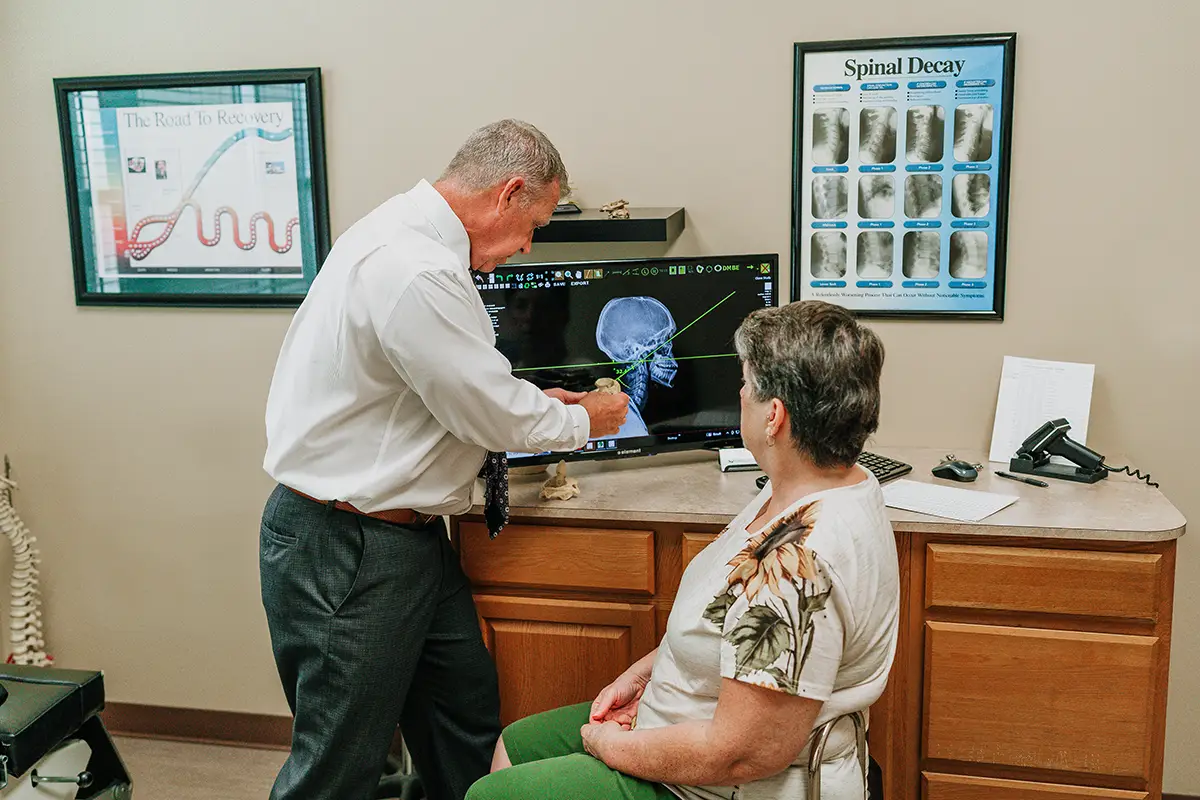
Determining whether to visit a hospital or a chiropractor can be confusing during a crisis. While life-threatening symptoms (such as loss of bladder control or chest pain) require the ER, many musculoskeletal emergencies are best handled by a chiropractor.
You should seek immediate chiropractic care if:
- You have a severely restricted range of motion: If you cannot turn your head, stand up straight, or walk without support due to pain or stiffness.
- The pain is acute and non-subsiding: Unlike general soreness, this pain is sharp, specific, and does not improve with rest or over-the-counter medication.
- You were involved in a minor accident: Slips, falls, or minor fender benders can cause misalignments that, if left untreated, develop into serious long-term issues.
- You are experiencing radiating pain: Pain that shoots down your leg or arm usually indicates nerve involvement that mechanical adjustment can relieve.
- You want to avoid medication: If your goal is to treat the structural cause of the pain rather than numbing it with opioids or muscle relaxers, chiropractic care is the primary option.
Searching for a chiropractor during these moments ensures you are targeting the structural integrity of your spine, rather than just managing symptoms.
The Role of The Upper Cervical Spine Center
When dealing with back emergencies, the precision of the care you receive matters. The Upper Cervical Spine Center focuses on a specific and critical area of the spine: the upper cervical region (the top two vertebrae in the neck).
While it might seem counterintuitive to focus on the neck when your lower back hurts, the spine functions as a single, continuous unit. The top two bones, the Atlas (C1) and Axis (C2), are responsible for the mobility of the head and house the brainstem. Misalignments here can create a chain reaction of compensation throughout the entire spine.
The Top-Down Approach
If the upper cervical spine is misaligned, the body will naturally twist and distort the rest of the spine to keep the head level and eyes on the horizon. This is known as the "righting reflex." Over time, or during an acute injury, this compensation causes stress and tension in the lower back, hips, and knees.
By correcting the alignment of the upper cervical spine, the Upper Cervical Spine Center helps restore balance to the entire body. For an emergency patient, this often means that fixing the neck can relieve the tension pulling on the lower back, providing profound and lasting relief.
Precision Over Force
Patients in severe pain are often wary of traditional chiropractic adjustments involving twisting or cracking. The Upper Cervical Spine Center utilizes precise, gentle techniques that do not require forceful manipulation. This is particularly beneficial during an emergency when the body is already inflamed and sensitive. The focus is on specific calculations and gentle corrections that allow the body to heal itself naturally.
Benefits of Immediate Chiropractic Intervention
Waiting it out is rarely the best strategy for acute back pain. Delaying treatment can lead to the body developing scar tissue or adopting poor posture habits to avoid pain, which only complicates the injury.
Faster Recovery Times
Addressing the misalignment or joint restriction immediately helps reduce inflammation and restores mobility quickly. Early intervention prevents the muscles from atrophying due to disuse and helps you return to your daily activities sooner.
Pain Relief Without Pharmaceuticals
The opioid crisis has made many patients and providers wary of relying on heavy painkillers. Chiropractic care offers a drug-free path to relief. By physically addressing the source of the pain—the pressure on the nerve or the joint restriction—the need for chemical pain management is significantly reduced or eliminated.
Prevention of Chronic Issues
Acute injuries that heal improperly often become chronic problems. A sprained back today can become arthritis ten years down the road if the mechanics of the spine aren't corrected. Emergency chiropractic care ensures that the injury heals with proper alignment, reducing the risk of recurrence or long-term degeneration.
Reduced Inflammation
Chiropractic adjustments have been shown to help normalize the production of cytokines, which are proteins that regulate the immune system's response to inflammation. By restoring proper nervous system function, the body can better manage the inflammatory process associated with the injury.
What to Expect During Your First Emergency Visit
If you have never been to a chiropractor, or if you are visiting a new clinic like the Upper Cervical Spine Center for an emergency, knowing what to expect can alleviate anxiety.
The Consultation and History
Even in an emergency, the chiropractor needs a clear picture of what happened. They will ask about the onset of pain, the quality of the sensation (dull, sharp, throbbing), and any previous history of back issues. They will also screen for "red flags" that might indicate the need for a referral to a hospital (such as fractures or infections).
The Examination
The doctor will perform a physical exam, checking your range of motion, reflexes, and muscle strength. They will palpate (feel) the spine to identify areas of tenderness, muscle spasm, and misalignment. In specialized clinics like the Upper Cervical Spine Center, they may use specific diagnostic tools to analyze posture and balance.
Diagnostic Imaging
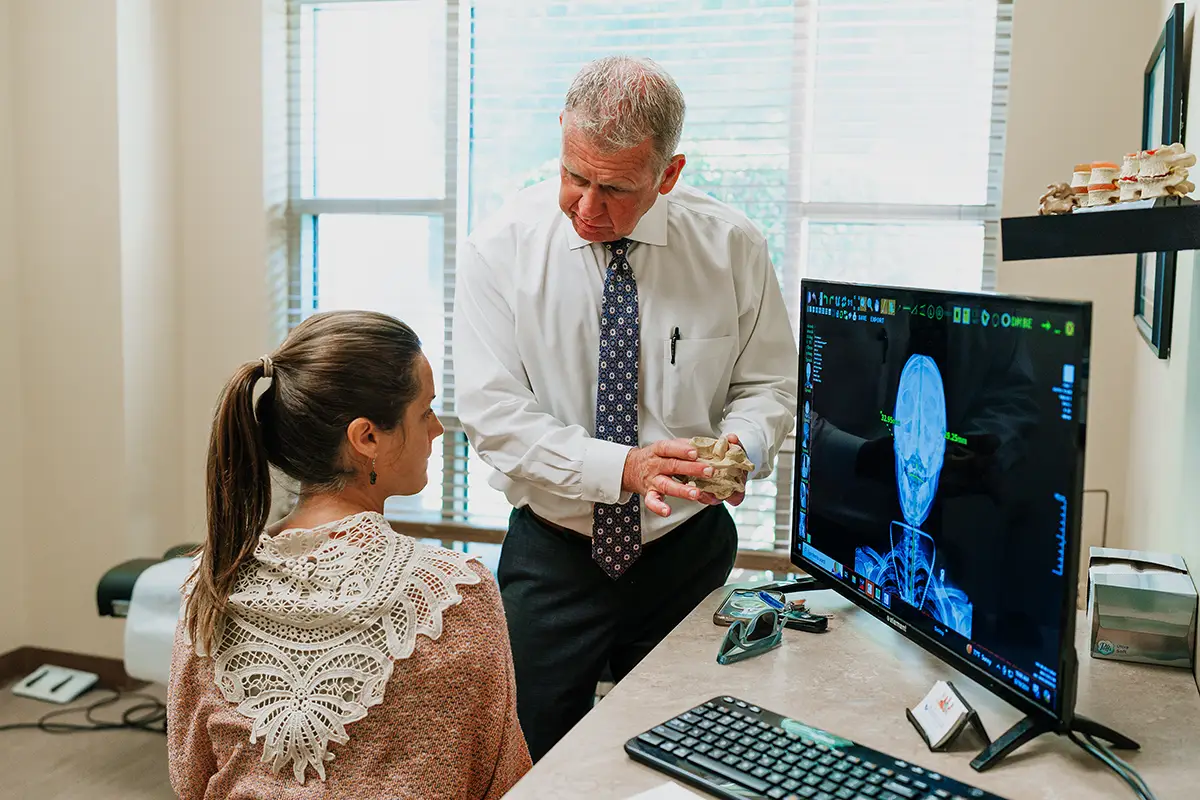
X-rays are frequently used to rule out fractures and to visualize the alignment of the vertebrae. For upper cervical care, precision imaging is crucial to calculate the exact angle of correction needed for the Atlas or Axis vertebrae.
The Treatment Plan
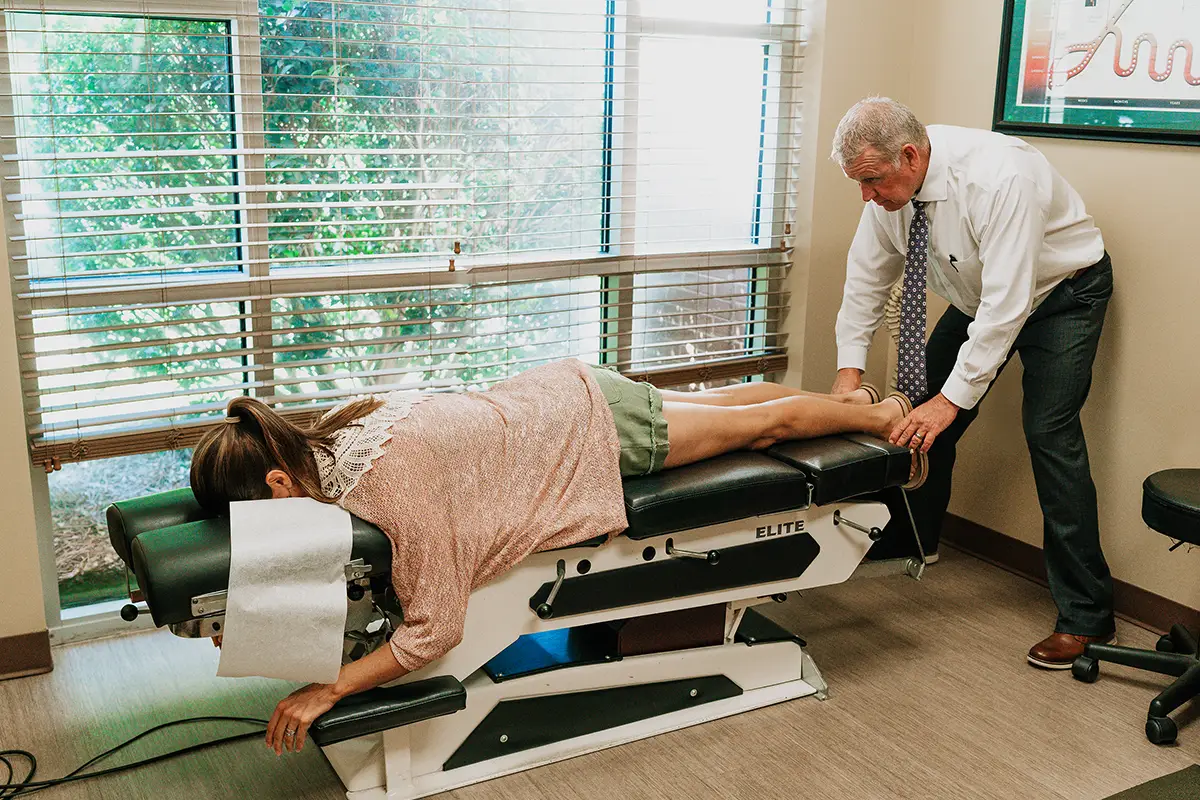
Once the problem is identified, the chiropractor will discuss the treatment plan. In an acute emergency, the immediate goal is pain relief and stabilization. This typically involves an adjustment. Depending on the technique, you might lie on a specialized table. The adjustment aims to restore joint mobility and reduce nerve irritability.
Post-Adjustment Advice
You will likely leave with homework. This might include instructions on using ice or heat, specific gentle stretches to perform, or advice on sleeping positions to avoid aggravating the injury.
Preventative Measures for Future Back Health
Once the emergency has passed and you are out of the "danger zone," the focus shifts to prevention. Nobody wants to be in a position where they are frantically searching for help again.
Core Strengthening
Your spine relies on the core muscles (abdominals, obliques, and lower back muscles) for support. A weak core forces the spine to take on more load than it can handle. Incorporating regular core stability exercises, such as planks or bridges, acts as an internal brace for your back.
Ergonomics
In our modern world, we sit more than ever. Ensure your workspace is set up correctly. Your monitor should be at eye level, your feet flat on the floor, and your chair should support the curve of your lower back. Tech neck—straining to look at phones or tablets—is a major contributor to upper cervical misalignments, so be mindful of your screen time posture.
Regular Chiropractic Maintenance
Just as you visit the dentist to prevent cavities, regular chiropractic check-ups can detect minor misalignments before they become major emergencies. Periodic assessments at the Upper Cervical Spine Center can ensure your nervous system is functioning optimally and your body remains balanced.
Proper Lifting Techniques
Many back emergencies happen due to improper lifting. Always bend at the knees, not the waist. Keep the object close to your body, and never twist your spine while holding a heavy load. Pivot with your feet instead.
Hydration and Nutrition
The discs in your spine require water to remain plump and act as shock absorbers. Chronic dehydration can make these discs brittle and more prone to herniation. Additionally, an anti-inflammatory diet rich in fruits, vegetables, and omega-3 fatty acids can help keep systemic inflammation in check.
Taking Action for Your Back Health
Back pain is your body's alarm system—ignoring it often leads to more severe problems. When an emergency strikes, it's crucial to find the right chiropractor who can provide a non-invasive, drug-free solution.
Clinics like the Upper Cervical Spine Center offer a unique approach by focusing on the root cause of spinal issues, which often starts at the top of the neck. Correcting this area not only relieves the immediate pain but also promotes long-term spinal health.
Don't wait for a crisis. Listen to your body, seek professional help when you're injured, and make your spinal health a priority.
Upper Cervical Spine Center
https://maps.app.goo.gl/7z8cKyohFGmgGe1F8
2550 W Arrowood Rd #104, Charlotte, NC 28273
(704) 588-5560
https://www.uppercervicalspinecenter.com/
Address
2550 W Arrowood Rd
Suite 104
Charlotte, North Carolina, 28273
United States
Hours
Monday-Friday:
9AM-12PM
&
2PM-6PM
We Align the Head and Neck So That the Nerves Can Send Brain Healing Messages to Affected Parts Of Your Body.
It's a Natural Self Healing.
