
Chiropractor for Sciatica Near Me

Finding the Best Chiropractor for Sciatica Near Me: A Complete Local Guide
If you have ever felt a sharp, shooting pain radiating from your lower back down through your hip and into your leg, you are likely acquainted with the debilitating nature of sciatica. This condition is more than just a nuisance; it can disrupt your sleep, your work, and your ability to enjoy daily life. For many, the first instinct is to reach for pain medication, but masking the symptoms rarely solves the underlying issue.
This is where chiropractic care steps in. As a holistic, non-invasive approach to pain management, chiropractic treatment addresses the root cause of sciatica rather than just the symptoms. But with so many practitioners available, typing "best chiropractor for sciatica near me" into a search engine can yield overwhelming results. How do you choose the right one? How do you know who can truly help?
This guide delves into the specifics of sciatica, how chiropractic care offers relief, and what you should look for when seeking a local expert to help you reclaim a pain-free life.
What is Sciatica? Symptoms and Causes
Sciatica is not a medical diagnosis in itself, but rather a symptom of an underlying medical condition. It refers to pain that radiates along the path of the sciatic nerve, which branches from your lower back through your hips and buttocks and down each leg. Typically, sciatica affects only one side of your body.
Common Symptoms
The hallmark of sciatica is pain that radiates from your lumbar (lower) spine to your buttock and down the back of your leg. You might feel the discomfort almost anywhere along the nerve pathway, but it's especially likely to follow a path from your low back to your buttock and the back of your thigh and calf.
The pain can vary widely, from a mild ache to a sharp, burning sensation or excruciating pain. Sometimes it can feel like a jolt or electric shock. It can be worse when you cough or sneeze, and prolonged sitting can aggravate symptoms. Some people also have numbness, tingling, or muscle weakness in the affected leg or foot. You might have pain in one part of your leg and numbness in another.
Underlying Causes
Sciatica occurs when the sciatic nerve becomes pinched, usually by a herniated disk in your spine or by an overgrowth of bone (bone spur) on your vertebrae. More rarely, the nerve can be compressed by a tumor or damaged by a disease such as diabetes.
Specific common causes include:
- Herniated Disks: The most common cause. The jelly-like center of a spinal disk pushes through its outer lining and presses on the nerve root.
- Degenerative Disc Disease: The natural wear and tear of spinal disks can lead to inflammation and nerve irritation.
- Spinal Stenosis: A narrowing of the spinal canal that puts pressure on the nerves.
- Spondylolisthesis: When one vertebra slips forward over another, it can pinch the sciatic nerve.
- Piriformis Syndrome: The piriformis muscle, located deep in the buttocks, can spasm and compress the sciatic nerve.
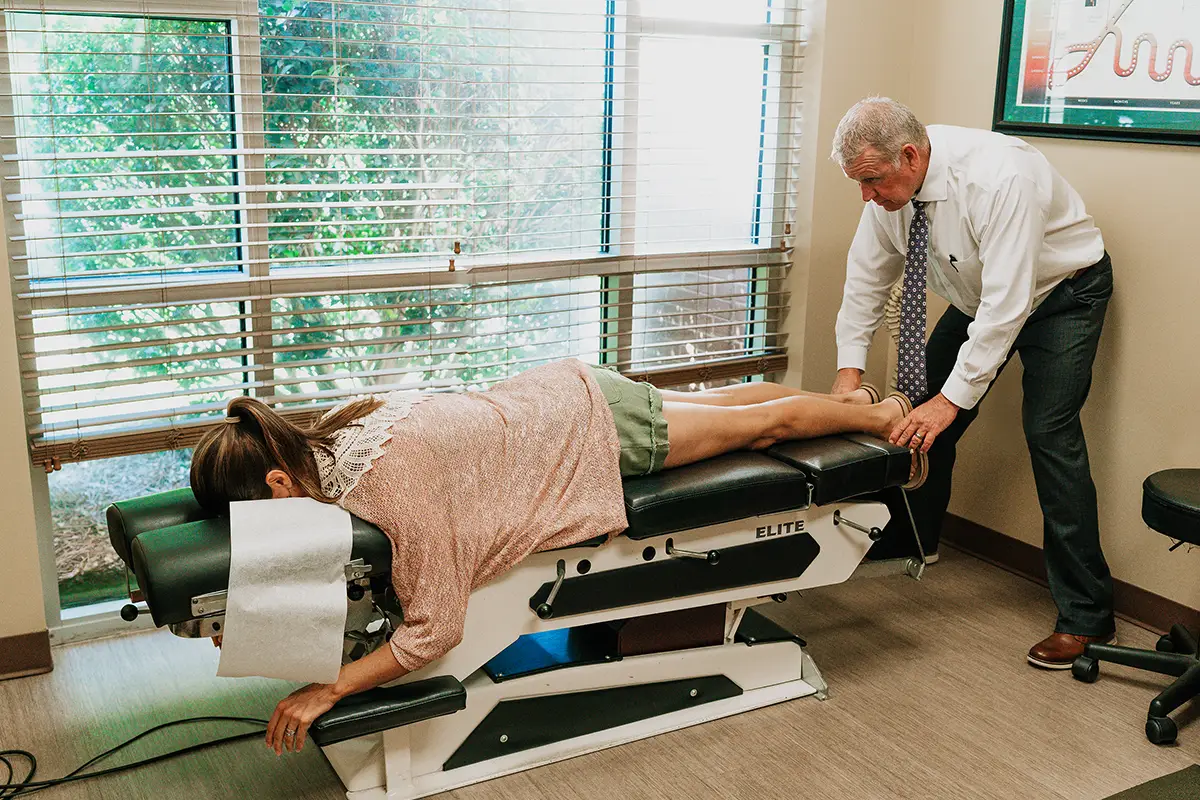
The Role of Chiropractic Care in Treating Sciatica
Medical doctors often prescribe anti-inflammatories, muscle relaxers, or physical therapy for sciatica. In severe cases, surgery might be suggested. However, chiropractic care offers a drug-free, non-surgical alternative that focuses on the structural integrity of the spine.
Chiropractors look at the body as a whole connected system. Since the sciatic nerve originates in the lower spine, misalignments (subluxations) in the vertebrae can directly contribute to the compression of this nerve.
A chiropractor’s primary goal is to restore proper spinal movement and alignment. By doing so, they reduce nerve irritability, improve function, and decrease pain and inflammation. This approach helps the body heal itself naturally.
Upper Cervical Care and the Kinetic Chain
While sciatica manifests in the lower body, the root cause isn't always isolated to the lumbar spine. The spine functions as a kinetic chain. If the top of the spine (the atlas and axis vertebrae in the neck) is misaligned, the body compensates to keep the head level. This compensation often results in a twisting of the spine, unlevel hips, and uneven weight distribution, which puts excessive stress on the lower back and sciatic nerve.
Therefore, a thorough chiropractic assessment often looks at the entire spine, not just the area where the pain is felt.
Benefits of Chiropractic Treatment for Sciatica
Choosing chiropractic care for sciatica comes with numerous advantages over traditional medical interventions.
Non-Invasive and Drug-Free
The opioid crisis has made many patients wary of prescription painkillers. Chiropractic care relies on manual adjustments and physical therapies, eliminating the risk of addiction or side effects associated with long-term medication use.
Reduces Inflammation
Chiropractic adjustments help release anti-inflammatory signaling molecules like interleukin-6. This reduction in inflammation is crucial for relieving the pressure on the sciatic nerve.
Restores Range of Motion
Sciatica often causes patients to limit their movement to avoid pain, which leads to stiffness and muscle atrophy. Adjustments help mobilize the joints, allowing for a better range of motion and preventing the condition from becoming chronic.
Addresses the Root Cause
Unlike a cortisone shot that temporarily numbs the pain, chiropractic adjustments aim to fix the structural issue causing the nerve compression. This leads to long-term relief rather than a temporary fix.
Personalized Treatment Plans
Chiropractors do not use a one-size-fits-all approach. Your treatment plan is tailored to your specific spinal mechanics, posture, and lifestyle, ensuring faster and more effective results.
Finding the Best Chiropractor Near You
When you are in pain, you want the best care possible. However, the term "best" is subjective and depends on your specific needs. Here are key factors to consider when searching for a "chiropractor for sciatica near me."
Check Credentials and Specializations
Ensure the chiropractor is licensed and has a good standing with the state board. Furthermore, look for specializations. Some chiropractors focus on sports injuries, while others, like Upper Cervical doctors, focus on the precise alignment of the neck to influence the entire spine.
Read Patient Reviews
Google Reviews and testimonials on the clinic’s website are invaluable. Look for reviews specifically mentioning sciatica. Did the patient find relief? Was the staff professional? Was the doctor attentive?
Ask About Techniques
Chiropractors use various techniques. Some use high-velocity manual adjustments (the "popping" sound), while others use low-force, instrument-based techniques. If you are nervous about manual adjustments, look for a doctor who uses gentler methods like the Activator technique or Upper Cervical specific corrections.
Initial Consultation
Most reputable clinics offer an initial consultation. Use this time to ask questions.
- "Do you have experience treating sciatica?"
- "What is your treatment philosophy?"
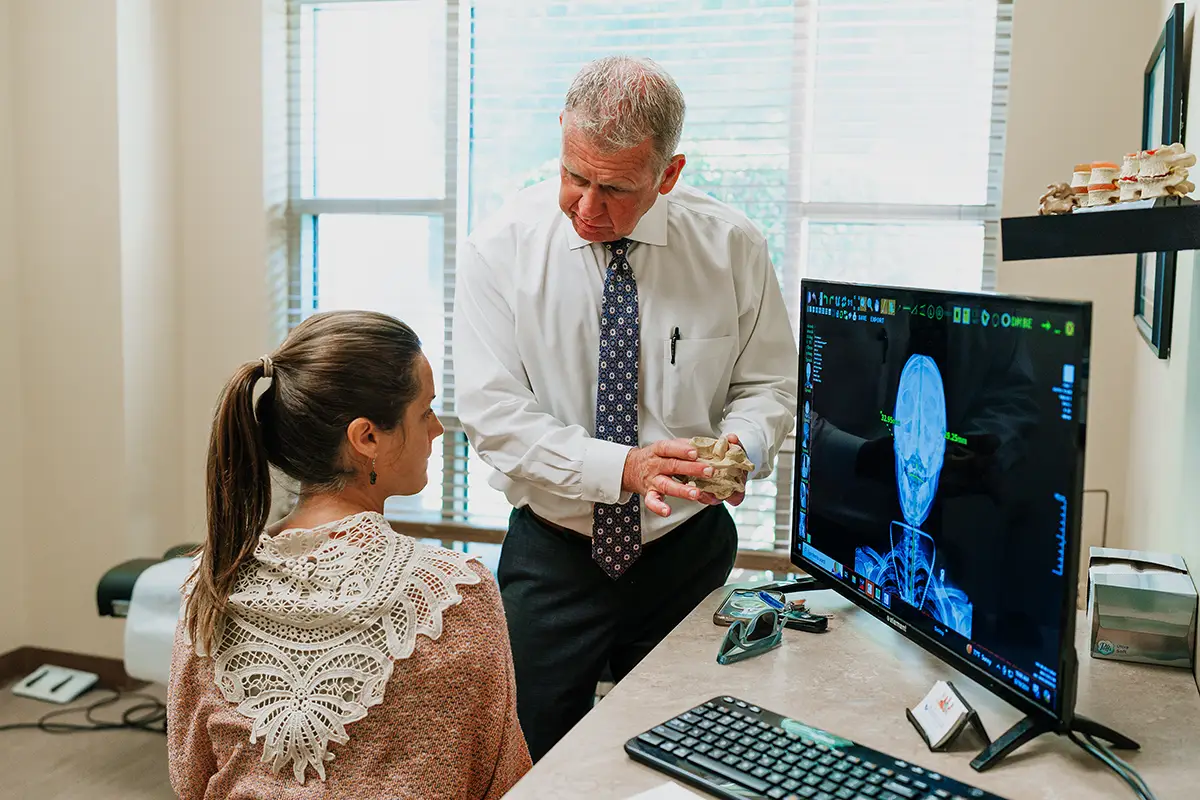
- "Do you take X-rays before adjusting?" (Note: X-rays are crucial for safe and precise treatment).
Verify Insurance and Payment Options
Chiropractic care is often covered by insurance, but coverage varies widely. Call the office ahead of time to verify your benefits. If you are uninsured, ask about cash payment plans or packages.
The Upper Cervical Spine Center: A Local Leader in Sciatica Treatment
If you are searching for a specialized approach to sciatica, The Upper Cervical Spine Center stands out as a premier destination for relief. What sets this center apart is its focus on the relationship between the upper neck and the rest of the spine.
As mentioned earlier, structural shifts in the upper neck (the atlas vertebra) can cause a chain reaction of compensation down the spine, leading to unlevel hips and severe lower back stress. This structural imbalance is a frequent, yet often overlooked, cause of sciatica.
The doctors at The Upper Cervical Spine Center utilize precise, gentle, and effective methods to correct these upper cervical misalignments. By restoring balance to the head and neck, the rest of the spine—including the lower back—can relax and return to a neutral position. This often relieves the pressure on the sciatic nerve without the need for forceful twisting or cracking of the lower back.
Patients at The Upper Cervical Spine Center often report that by fixing the top of the spine, symptoms at the bottom of the spine disappear. This top-down approach ensures that the entire body is functioning in alignment, providing lasting relief for sciatica sufferers.
What to Expect During Your First Chiropractic Visit
If you have never been to a chiropractor, the first visit can seem daunting. Knowing what to expect can ease your anxiety.
Patient History
The doctor will begin by discussing your medical history. They will ask about the onset of your sciatica, the type of pain (dull, sharp, burning), what makes it better or worse, and any previous injuries or surgeries.
Physical Examination
The chiropractor will perform a physical exam, which may include:
- Range of Motion Tests: Checking how well your spine moves.
- Orthopedic Tests: Moving your legs and hips to pinpoint exactly where the nerve compression is occurring.
- Neurological Tests: Checking reflexes and muscle strength to assess nerve function.
- Palpation: Feeling the spine for muscle spasms and misalignments.
Diagnostic Imaging
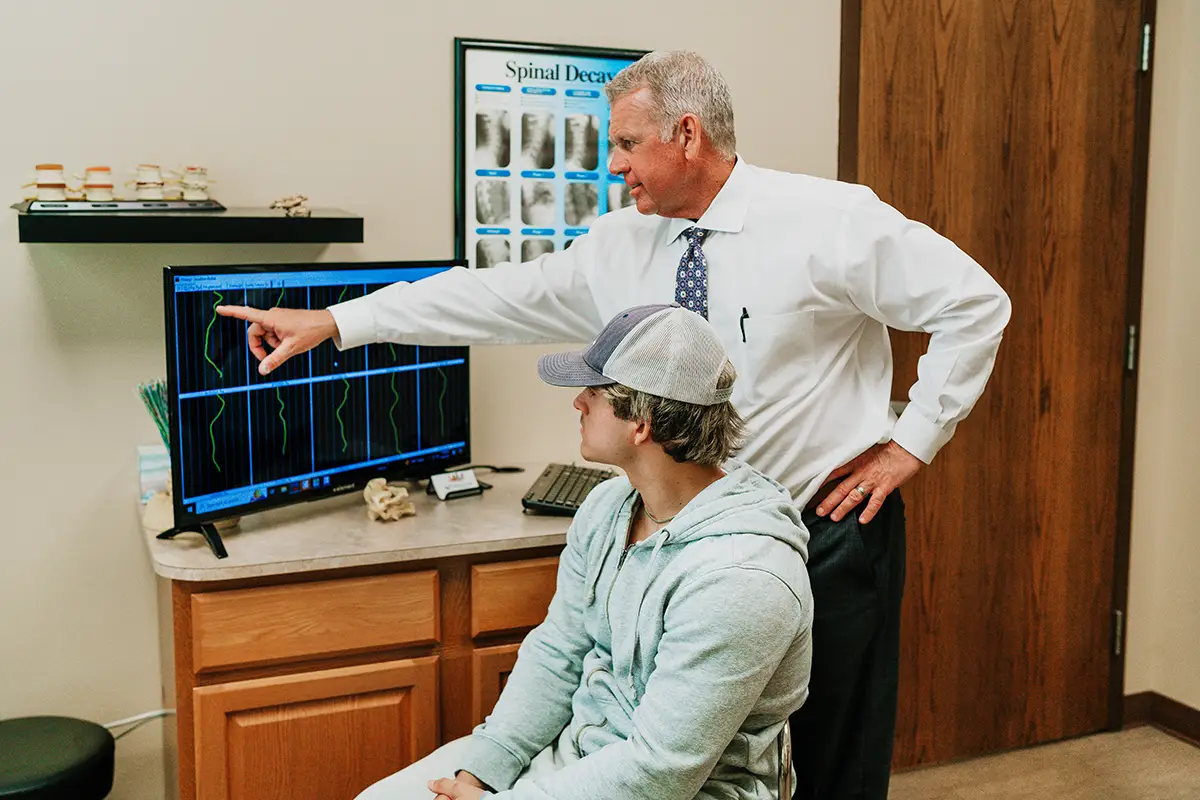
To ensure safety and precision, the chiropractor will likely take X-rays of your spine. At The Upper Cervical Spine Center, precise 3D imaging or specific X-rays may be used to calculate the exact angle of misalignment in the neck.
Report of Findings
Before any treatment begins, the doctor will review your exam and X-ray findings with you. They will explain the cause of your sciatica, the proposed treatment plan, the estimated length of care, and the cost.
The Adjustment
If you agree to the care plan, you will receive your first adjustment. Depending on the technique, this may involve lying on a specialized table while the doctor applies a specific force to the spine.
Lifestyle Changes to Support Chiropractic Treatment
Chiropractic care is a partnership. While the doctor corrects the alignment, you must support the healing process with lifestyle changes.
Ergonomics
If you work at a desk, ensure your monitor is at eye level and your feet are flat on the floor. Use a chair with good lumbar support. Avoid sitting on your wallet, as this can directly compress the sciatic nerve.
Movement
Motion is lotion for the spine. Avoid prolonged sitting. Set a timer to stand up and walk around every 30 to 45 minutes.
Stretching
Stretching your lower back, hamstrings, and hip flexors is crucial for spinal health. Perform gentle stretches like the cat-cow daily to release tension, improve flexibility, and support alignment.
Hydration
Your spinal disks are largely made of water. Staying hydrated keeps the disks plump and healthy, allowing them to better cushion the vertebrae and protect the nerves.
Nutrition
An anti-inflammatory diet can help reduce nerve pain. Focus on leafy greens, fatty fish (omega-3s), berries, and turmeric. Avoid processed sugars and excessive alcohol, which promote inflammation.
Reclaim Your Mobility and Comfort
Sciatica can disrupt your life, but chronic pain doesn’t have to be your new normal. Chiropractic care targets the root cause of nerve compression, offering lasting relief without drugs or surgery. Whether your pain stems from a herniated disc or spinal misalignment, a skilled chiropractor can provide personalized care and a clear recovery plan.
The Upper Cervical Spine Center specializes in achieving total spinal balance, helping you move toward a pain-free life. Stop managing symptoms—take the first step toward real healing today!
Upper Cervical Spine Center
https://maps.app.goo.gl/7z8cKyohFGmgGe1F8
2550 W Arrowood Rd #104, Charlotte, NC 28273
(704) 588-5560
https://www.uppercervicalspinecenter.com/
Address
2550 W Arrowood Rd
Suite 104
Charlotte, North Carolina, 28273
United States
Hours
Monday-Friday:
9AM-12PM
&
2PM-6PM
We Align the Head and Neck So That the Nerves Can Send Brain Healing Messages to Affected Parts Of Your Body.
It's a Natural Self Healing.
