
Chiropractic Near Me

Chiropractic Near Me: The Ultimate Guide to Unlocking Pain-Free Living
Living with chronic pain can be overwhelming, impacting every aspect of your life. When traditional remedies fail, many people search for "chiropractic near me," seeking a long-term solution rather than a temporary fix.
Finding a local chiropractor is about finding a partner in your health journey—one who can address the root cause of your symptoms without invasive surgery or medication. Whether you're suffering from a stiff neck, lower back pain, or migraines, chiropractic care offers a path to lasting relief.
However, choosing the right practitioner can be daunting, as there are various techniques and philosophies. This guide will walk you through the essentials of chiropractic care, its benefits, and how specialized clinics like the Upper Cervical Spine Center are transforming patient outcomes.
What is Chiropractic Care?
At its core, chiropractic care is a healthcare profession focused on the diagnosis, treatment, and prevention of disorders of the musculoskeletal system, specifically the spine. But it is much more than just "cracking backs." It is based on the scientific premise that proper alignment of the spine is essential for the nervous system to function correctly.
The nervous system controls every cell, tissue, and organ in your body. It is the master communication network. Your spine acts as the armor for your spinal cord, which transmits messages from your brain to the rest of your body. When the vertebrae (the bones of the spine) become misaligned—a condition chiropractors call a subluxation—it can interfere with these signals.
Chiropractors use hands-on spinal manipulation and other alternative treatments to properly align the body's musculoskeletal structure. The theory is simple: if the body is in alignment, it can heal itself without surgery or medication. This holistic approach looks at the patient as a whole person, not just a collection of symptoms.
Benefits of Chiropractic Care
While most people seek out a chiropractor for back pain, the benefits extend far beyond the spine. Because the treatment focuses on the nervous system, the positive effects can ripple throughout the entire body.
Pain Management and Relief
The most common reason people seek care is for relief from back pain, neck pain, and headaches. Studies have shown that spinal manipulation is an effective treatment for acute lower back pain, often yielding better results than medication alone. By addressing the mechanical dysfunction in the spine, inflammation decreases and mobility improves.
Improved Posture
In an era where many of us spend hours hunched over smartphones and laptops, "tech neck" and poor posture have become epidemics. Over time, poor posture puts immense pressure on the spine and can lead to permanent changes in spinal curvature. Regular adjustments can help realign the neck and spine, helping you stand taller and reducing the strain on your muscles.
Enhanced Athletic Performance
You don't have to be an Olympian to want your body to perform at its best. Many professional sports teams employ chiropractors because they understand that a balanced body is less prone to injury. Adjustments can increase flexibility, improve range of motion, and reduce recovery time after intense workouts.
Headache and Migraine Reduction
Tension headaches and migraines often originate from tension in the neck and misalignment of the upper spine. By correcting the position of the vertebrae in the neck, chiropractors can reduce the frequency and intensity of these debilitating headaches, offering a lifeline to those who suffer chronically.
Better Sleep
Pain and muscle tension are major disruptors of sleep. When your spine is aligned, your muscles can relax, allowing you to find a comfortable sleeping position more easily. Furthermore, because the nervous system regulates sleep cycles, removing interference can lead to deeper, more restorative rest.
How to Find a Good Chiropractor Near You
Typing "chiropractor near me" into a search bar will likely yield dozens of results. Narrowing that list down to the right provider requires a bit of research. Here are the key factors to consider when choosing a practitioner.
Check Credentials and Experience
Ensure the chiropractor is licensed to practice in your state. You can usually verify this on state licensing board websites. Beyond the basics, look for experience with your specific issue. If you are pregnant, an athlete, or dealing with sciatica, ask if they have specialized training or experience in those areas.
Read Reviews and Testimonials
Online reviews can provide insight into the patient experience. Look for patterns in the feedback. Do patients feel heard? Is the staff friendly? Is the clinic clean and organized? While one or two negative reviews are normal, a pattern of complaints about billing or rushed appointments is a red flag.
Ask About Techniques
Chiropractors use a variety of techniques. Some are vigorous and involve manual manipulation (where you hear a popping sound), while others are gentle and use instruments. If you are nervous about the "cracking" sound, look for a doctor who specializes in low-force techniques.
Schedule a Consultation
Most reputable chiropractors offer an initial consultation. Use this time to ask questions. A good chiropractor will listen to your history, perform a thorough examination, and explain their recommended treatment plan clearly. If a provider guarantees a cure or demands a large upfront payment for months of care before examining you, proceed with caution.

Types of Chiropractic Adjustments
Understanding the terminology can make your first visit less daunting. Here are a few common techniques you might encounter:
Diversified Technique
This is the most commonly used technique. It involves a high-velocity, low-amplitude thrust delivered by hand. The objective is to restore proper movement and alignment to the spine and joint dysfunction. This is the method most often associated with the popping noise, which is simply gas escaping from the joint capsule.
The Activator Method
This technique utilizes a small, handheld spring-loaded instrument called an Activator. It delivers a gentle, low-force impulse to the spine. It is distinct because it is high speed, preventing the body's muscles from tensing up in response. It is excellent for patients who prefer a gentler approach or for treating children and seniors.
Gonstead Technique
This is a specific method of analysis and adjustment. Gonstead practitioners use detailed X-ray analysis and specific palpation to locate the subluxation. The adjustments are very precise and aimed at fixing specific segments of the spine rather than general manipulation.
Thompson Drop-Table Technique
This involves a special table with sections that drop down a fraction of an inch when the chiropractor applies a quick thrust. The dropping motion assists the thrust while minimizing the force required for the adjustment.
The Upper Cervical Spine Center's Approach
Some chiropractors specialize in the most critical area of the spine: the upper cervical region. This is the focus of the Upper Cervical Spine Center.
The upper cervical spine, which includes the Atlas (C1) and Axis (C2) vertebrae, is the most mobile part of your spine, allowing you to nod and turn your head. This mobility also makes it prone to misalignment. Since the brainstem passes through this area, a misalignment can interfere with nerve signals traveling between the brain and the rest of the body, leading to widespread issues like lower back pain, digestive problems, or high blood pressure.
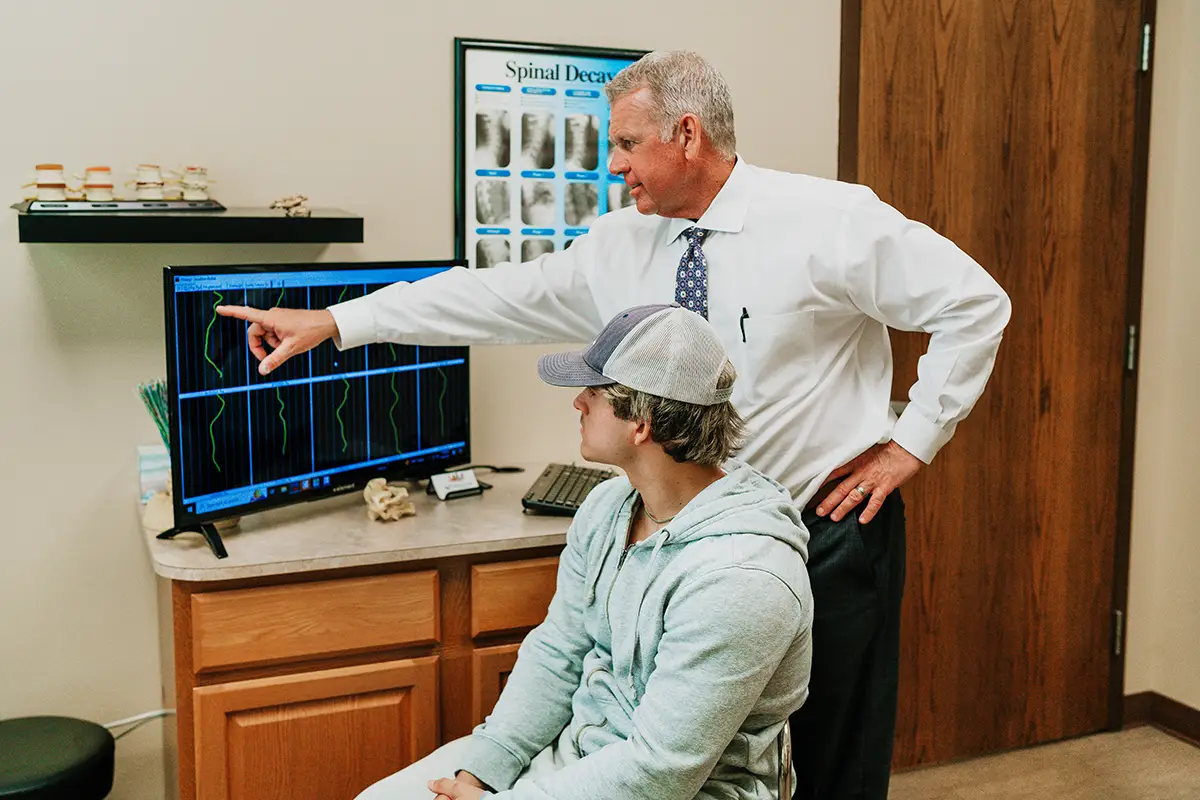
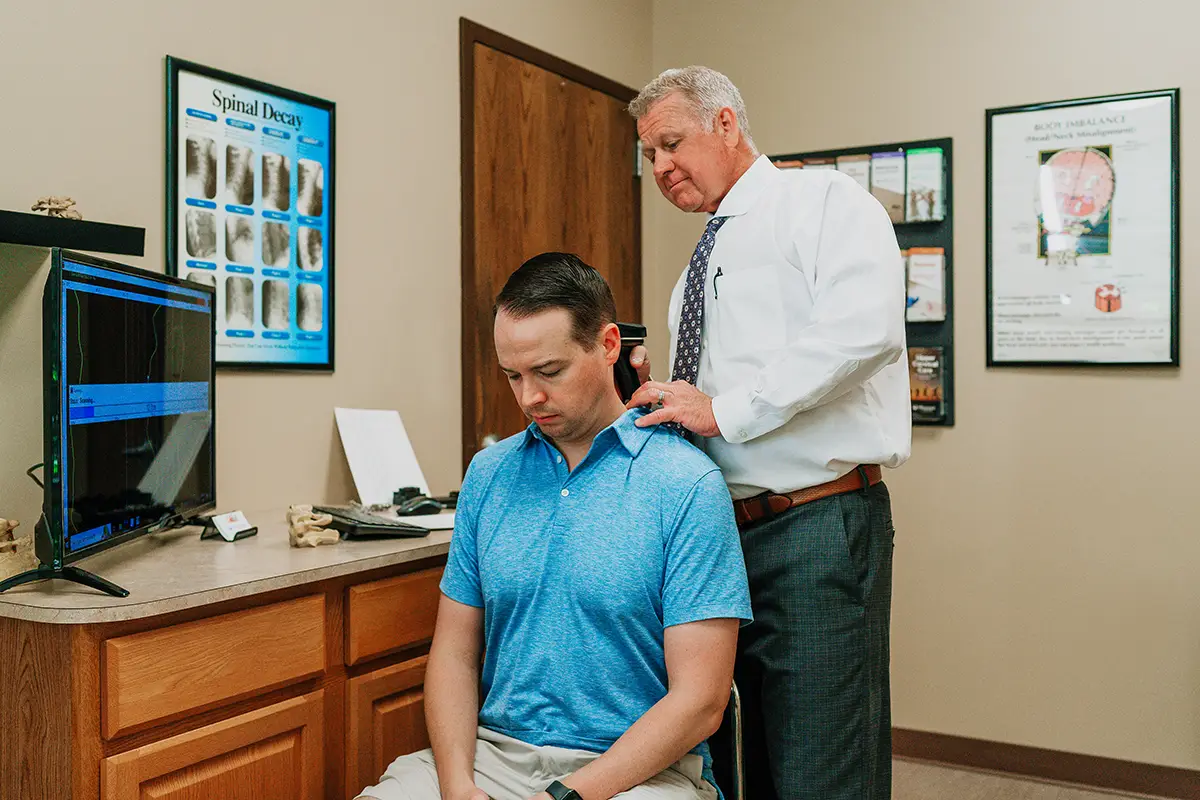
The Upper Cervical Spine Center uses a precise approach. Instead of general spinal manipulation, they use advanced imaging to determine the exact angle of misalignment. The correction is gentle, typically without any twisting or "popping." By correcting the position of the Atlas, the rest of the spine often realigns itself, balancing the body from the top down.
This specialized focus can be the missing piece for patients who haven't found relief with general chiropractic or other treatments.
Addressing Common Concerns and Misconceptions
Despite its popularity, misconceptions about chiropractic care persist. Addressing these fears is essential for anyone considering this path to wellness.
"Is it safe?"
Chiropractic care is widely recognized as one of the safest drug-free, non-invasive therapies available for the treatment of neuromusculoskeletal complaints. While no health treatment is completely free of potential adverse effects, the risks associated with chiropractic are very small, especially compared to the risks associated with NSAIDs (painkillers) and surgery.
"Once I start, do I have to go forever?"
This is a common myth. Your treatment plan depends on your goals. If you want relief from acute pain, your treatment might last only a few weeks. However, many patients choose to continue with periodic wellness care because they enjoy how good they feel and want to prevent future injuries. The choice is always yours.
"Does the adjustment hurt?"
For most patients, chiropractic adjustments are painless. In fact, most people feel an immediate sense of relief and improved mobility. You may experience some minor soreness afterward, similar to how you feel after a good workout, but this typically fades within 24 hours.
"Is it expensive?"
Chiropractic care is often more cost-effective than traditional medical management for back and neck pain. By avoiding expensive imaging, surgeries, and long-term pharmaceutical prescriptions, patients often save money in the long run. Additionally, many insurance plans now cover chiropractic services.
The Future of Chiropractic Care
The field of chiropractic is evolving rapidly. As technology advances, so does the precision of care. We are seeing a rise in digital X-ray technology, which lowers radiation exposure and provides clearer images for doctors to analyze.
Furthermore, the future of chiropractic is increasingly integrative. More chiropractors are working alongside medical doctors, physical therapists, and nutritionists to provide a comprehensive care plan. This collaborative model ensures that patients receive the best of all worlds—acute medical intervention when necessary, and holistic, restorative care for long-term health.
Clinics like the Upper Cervical Spine Center are at the forefront of this evolution, proving that specialized, precise care can yield life-changing results. As the medical community continues to recognize the dangers of the opioid crisis, non-pharmacological pain management strategies like chiropractic are moving from "alternative" to "essential."
Embracing Chiropractic Care for a Healthier Life
Finding a "chiropractor near me" is about more than fixing a stiff neck. It is about taking a proactive stance on your health. It is about recognizing that your body has an incredible innate ability to heal, provided there is no interference in your nervous system.
Whether you choose a traditional practitioner or seek the specialized precision of the Upper Cervical Spine Center, the goal remains the same: unlocking a life free from pain. Don't let chronic discomfort dictate your boundaries. With the right care, you can restore your mobility, revitalize your energy, and get back to doing the things you love.
Upper Cervical Spine Center
https://maps.app.goo.gl/7z8cKyohFGmgGe1F8
2550 W Arrowood Rd #104, Charlotte, NC 28273
(704) 588-5560
https://www.uppercervicalspinecenter.com/
Address
2550 W Arrowood Rd
Suite 104
Charlotte, North Carolina, 28273
United States
Hours
Monday-Friday:
9AM-12PM
&
2PM-6PM
We Align the Head and Neck So That the Nerves Can Send Brain Healing Messages to Affected Parts Of Your Body.
It's a Natural Self Healing.
