
Best Chiropractor Near Me

Your Guide to the Best Chiropractor Near Me for Pain-Free Living
Waking up with a stiff neck or a nagging backache isn't just a minor annoyance; it sets the tone for your entire day. It affects your mood, your productivity at work, and your ability to enjoy time with your family. If you have been living with chronic pain, you know that over-the-counter painkillers often just mask the symptoms without fixing the root cause. This is usually the moment people turn to Google and type, "Best chiropractor near me."
Finding the right provider can feel overwhelming. You aren't just looking for someone to crack your back; you are looking for a healthcare partner who understands your body and can guide you toward long-term wellness. Whether you are dealing with a fresh sports injury, the lingering effects of a car accident, or the cumulative stress of sitting at a desk for years, chiropractic care offers a drug-free path to recovery.
This guide will walk you through everything you need to know about chiropractic medicine, how to vet potential doctors, and why specialized clinics like The Upper Cervical Spine Center might be the missing link in your healthcare routine.
Understanding the Foundations of Chiropractic Care
Before you book an appointment, it helps to understand exactly what chiropractic care is and isn't. At its core, chiropractic is a healthcare profession focused on the diagnosis, treatment, and prevention of disorders of the musculoskeletal system, particularly the spine.
The central philosophy is simple: the body has a powerful, innate ability to heal itself. However, this healing process depends on a healthy nervous system. Your brain sends messages to every organ and tissue in your body through the spinal cord. If the vertebrae protecting that cord are misaligned (a condition chiropractors call a subluxation), it can interfere with those signals.
By correcting these misalignments, a chiropractor restores proper nerve flow, allowing the body to function at its peak. While many people associate chiropractors solely with back pain, the benefits extend much further.
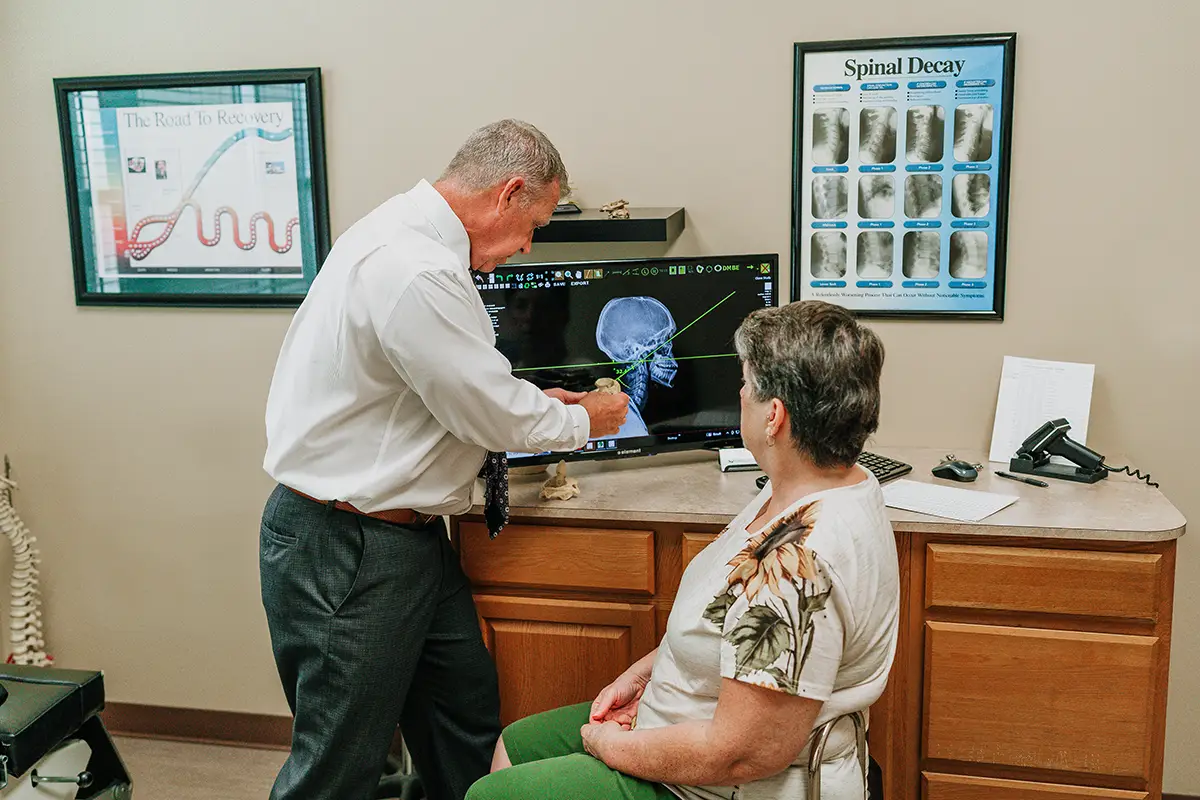
Key Benefits of Regular Adjustments
- Natural Pain Relief: It offers an effective alternative to opioids and invasive surgeries for conditions like sciatica, neck pain, and lower back issues.
- Improved Mobility: Adjustments can help restore range of motion in joints that have locked up due to tissue injury or inflammation.
- Headache Reduction: Tension headaches and migraines often originate from tension in the neck and upper back, areas that chiropractors target directly.
- Enhanced Athletic Performance: Many pro athletes use chiropractic care to prevent injury and improve coordination.
- Better Sleep: Pain and muscle tension are major disruptors of sleep; addressing them often leads to deeper, more restorative rest.
How to Find a Trusted Chiropractor Near You
When you begin your search for a "chiropractor near me," you will likely be met with dozens of options. Narrowing down this list requires a bit of research. You want a provider who is not only licensed and qualified but also a good personality fit for your needs.
Check Credentials and Experience
First, verify that the chiropractor is licensed to practice in your state. You can usually find this information on state licensing board websites. Beyond the basic license, look for their educational background. Did they attend an accredited chiropractic college? Do they participate in continuing education?
Experience matters, especially if you have a specific condition. If you are pregnant, look for a chiropractor certified in the Webster Technique. If you are an athlete, look for someone with a sports medicine background.
Read Patient Reviews Critically
Online reviews on Google, Yelp, and Healthgrades can provide a window into the patient experience. Look for patterns in the feedback. Do patients mention that the doctor listens well? Is the office staff friendly and organized? Are appointments generally on time?
Be wary of clinics that have solely perfect five-star reviews if they look generic, but pay close attention to detailed stories where patients describe their recovery journey. These narratives often give you the best idea of what to expect.
Ask About Their Treatment Philosophy
Chiropractic is not a monolith. Some doctors focus on quick pain relief (high volume, short visits), while others focus on structural correction and long-term rehabilitation.
Some red flags to watch out for include:
- Doctors who guarantee a cure for complex diseases.
- High-pressure sales tactics requiring you to sign up for months of care on day one without a proper exam.
- Practitioners who discourage you from seeing other medical doctors.
A good chiropractor works as part of your wider healthcare team and puts your specific health goals first.
What to Expect During Your First Visit
If you have never been to a chiropractor before, the unknown can be a little intimidating. Knowing the flow of an initial consultation can put your mind at ease.
The Consultation and History
Your first visit will likely start with a conversation rather than an adjustment. The doctor needs to understand your health history. You will discuss your current symptoms, past injuries (even old ones from childhood), your occupation, and your lifestyle habits. This creates a roadmap for the doctor to understand where the stress in your body is coming from.
The Physical Examination
Next, the chiropractor will perform a physical exam. This typically includes:
- Range of Motion Tests: Checking how far you can turn your head or bend your waist.
- Palpation: Feeling the spine and muscles for areas of tenderness, tightness, or misalignment.
- Neurological Tests: Checking reflexes and muscle strength to see if nerves are being compressed.
- Postural Analysis: Looking at how you stand and sit to identify structural imbalances.
Diagnostic Imaging
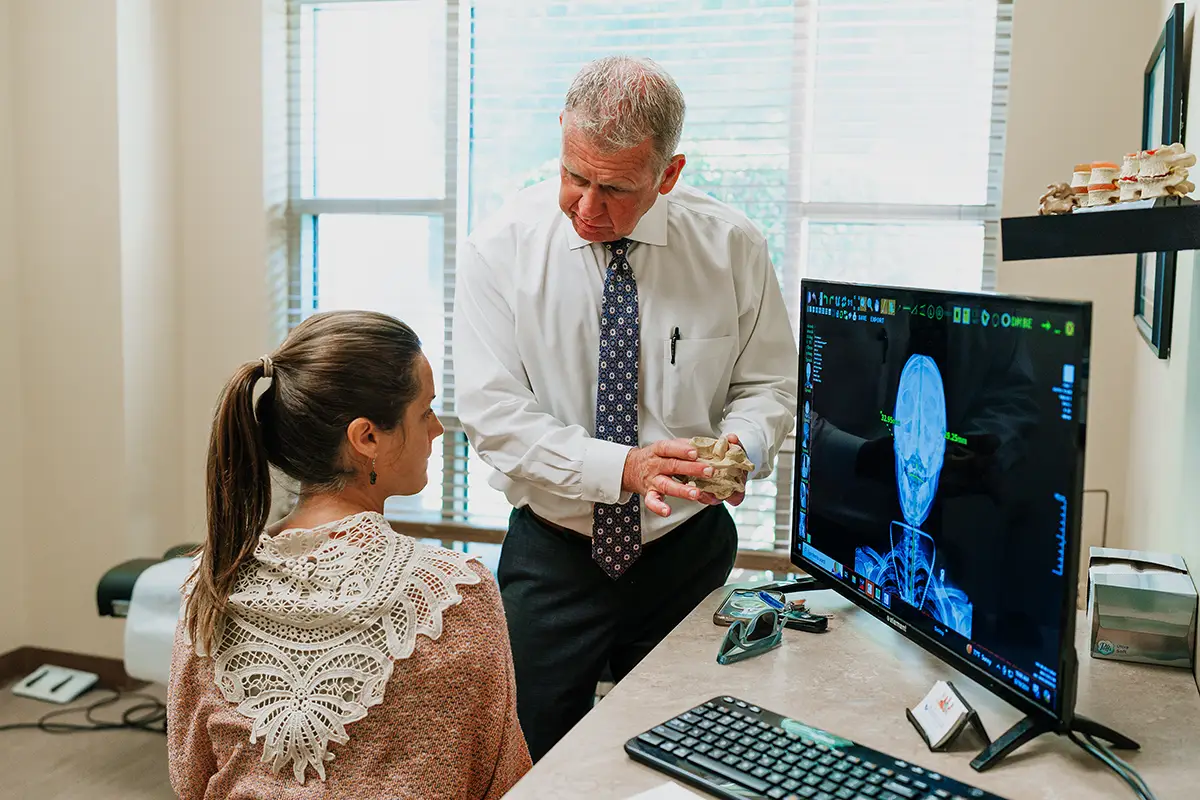
In many cases, specifically for chronic issues or trauma, the doctor may request X-rays. X-rays allow the chiropractor to see the position of the vertebrae and rule out serious conditions like fractures or tumors. For specialized care, such as that offered at The Upper Cervical Spine Center, precise 3D imaging or specific X-ray views are often essential to calculating the exact angle of correction needed.
The Report of Findings
After the exam, a good chiropractor will sit down and explain what they found. They should clearly tell you what the problem is, how they plan to treat it, how long it might take, and how much it will cost. If they believe chiropractic isn't the right solution for you, they should refer you to the appropriate specialist.
Diverse Techniques for Different Needs
Chiropractic isn't a "one size fits all" practice. There are hundreds of techniques, ranging from vigorous manual adjustments to gentle, instrument-assisted taps.
Diversified Technique: This is what most people picture—a manual thrust applied to the spine that often results in a "popping" sound (cavitation). It is used to restore movement to stuck joints.
Activator Method: This utilizes a small, hand-held instrument to deliver a gentle impulse to the spine. It is excellent for patients who are nervous about manual adjustments or for older adults with osteoporosis.
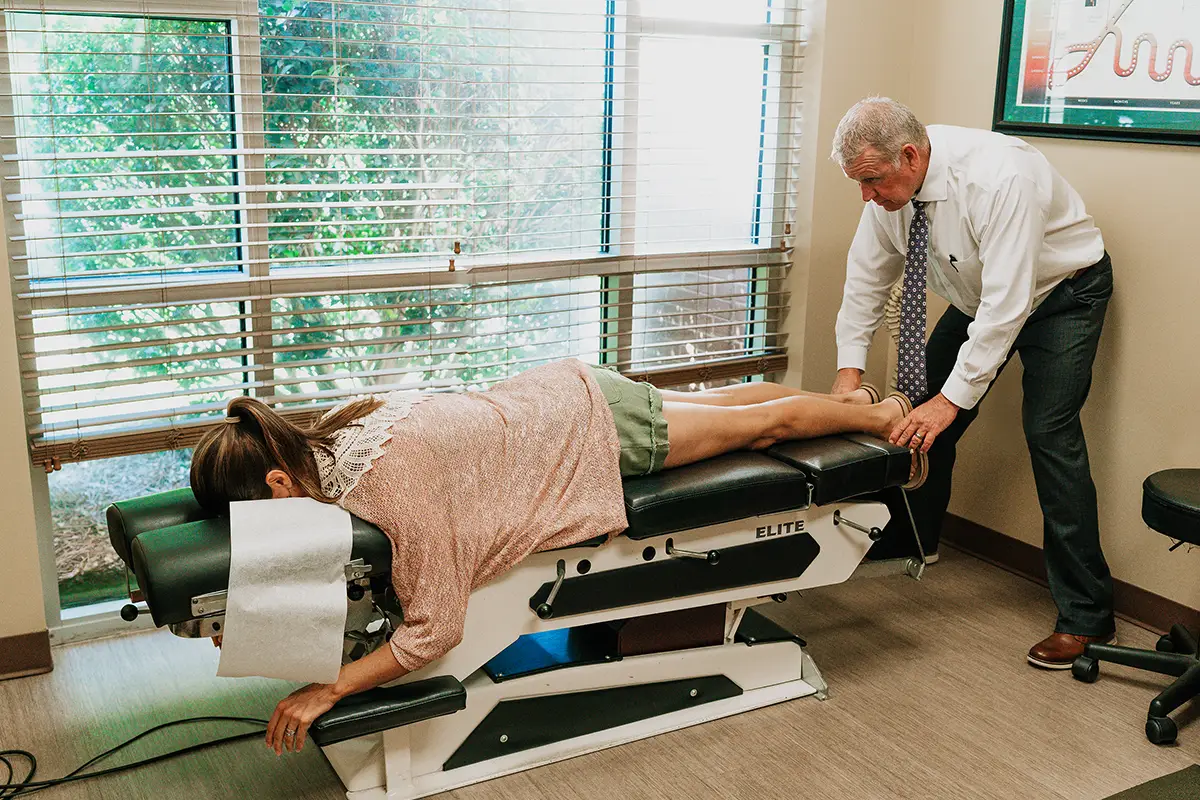
Drop Table: This involves a special table with sections that drop down slightly when the chiropractor applies pressure. The drop mechanism assists the thrust, minimizing the force required.
However, one of the most profound and distinct areas of chiropractic is Upper Cervical Care. This approach is significantly different from general manipulation and warrants a closer look.
A Deep Dive into The Upper Cervical Spine Center
When searching for the best chiropractic care, you may come across The Upper Cervical Spine Center. This clinic represents a highly specialized niche within the chiropractic profession that focuses on the most critical area of the spine: the upper neck.
The top two bones in your neck, the Atlas (C1) and the Axis (C2), are unique. Unlike the rest of the vertebrae which lock together to provide stability, the Atlas and Axis are built for mobility—they allow you to nod and shake your head. Because they are so mobile, they are also the most susceptible to misalignment.
Why the Upper Neck Matters
The brainstem extends down through the opening in the Atlas bone. This area is the "Grand Central Station" of your nervous system, controlling vital functions like heart rate, digestion, and balance. Even a microscopic misalignment here can put pressure on the brainstem and disrupt communication between the brain and the entire body.
The Upper Cervical Spine Center specializes in detecting and correcting these specific misalignments.
How The Upper Cervical Spine Center is Different
If you visit The Upper Cervical Center, you will notice the approach is quite different from a general chiropractic office:
Precision Diagnosis: They utilize advanced imaging to visualize the exact three-dimensional misalignment of the neck. There is no guessing; everything is calculated mathematically.
Gentle Corrections: The adjustment does not involve twisting, popping, or cracking the neck. Because the analysis is so precise, the correction can be delivered with a light, controlled touch. This makes it safe for patients of all ages.
Holding the Adjustment: The goal of The Upper Cervical Spine Center isn't to adjust you every time you walk in the door. The goal is to get the correction to "hold." When your alignment holds, your body heals. They monitor you to ensure you are maintaining your alignment, rather than adjusting you unnecessarily.
Conditions Treated
Because the upper cervical area influences the brainstem, correcting it can have far-reaching effects. Patients often seek out The Upper Cervical Spine Center for stubborn conditions that haven't responded to other treatments, such as:
- Migraines and Chronic Headaches: Misalignment in the neck is a leading cause of headache pain.
- Vertigo and Dizziness: The upper neck plays a huge role in your body's balance system.
- Fibromyalgia: Central nervous system irritation can contribute to widespread pain sensitivity.
- Trigeminal Neuralgia: This severe facial pain can often be linked to nerve compression in the upper neck.
- TMJ Dysfunction: The jaw joint is located directly next to the Atlas vertebra; correcting the neck often relieves jaw pain.
Navigating Cost and Insurance
One of the most common questions revolves around the cost of care. Understanding the financial aspect is part of choosing the right provider.
Insurance Coverage
Many major health insurance plans cover chiropractic care to some extent. This usually applies to acute care (pain relief) rather than maintenance or wellness care. Medicare also covers manual manipulation of the spine to correct a subluxation. When calling a new office, have your insurance card ready so the staff can verify your benefits before your arrival.
Cash and Payment Plans
Because insurance coverage has become increasingly restrictive with high deductibles and copays, many top-tier clinics, including specialized centers, operate on a cash basis or offer "time-of-service" discounts. While this might seem more expensive initially, cash practices often provide more transparent pricing and are not dictated by insurance adjusters on how to treat you.
Many clinics offer payment plans or packages to make care affordable for families. It is important to view this cost not just as an expense, but as an investment. The cost of proactive chiropractic care is often a fraction of the cost of back surgery, lost wages from disability, or years of prescription medication.
Prioritizing Your Long-Term Health
Your body is the vehicle you live in for your entire life. Just as you wouldn't drive a car with the check engine light on for years, you shouldn't ignore the warning signals your body is sending you. Pain is checking the engine light.
Finding a "chiropractor near me" is about more than proximity; it's about proximity to a better quality of life. Whether you choose a general chiropractor for a lower back injury or seek out the specialized precision of The Upper Cervical Spine Center for complex neurological issues, taking that first step is an act of self-care.
Don't wait until you are immobile to seek help. By addressing misalignments early, you improve your body's resilience, boost your immune system function, and ensure that you can keep doing the things you love for decades to come.
Upper Cervical Spine Center
https://maps.app.goo.gl/7z8cKyohFGmgGe1F8
2550 W Arrowood Rd #104, Charlotte, NC 28273
(704) 588-5560
https://www.uppercervicalspinecenter.com/
Address
2550 W Arrowood Rd
Suite 104
Charlotte, North Carolina, 28273
United States
Hours
Monday-Friday:
9AM-12PM
&
2PM-6PM
We Align the Head and Neck So That the Nerves Can Send Brain Healing Messages to Affected Parts Of Your Body.
It's a Natural Self Healing.
