
Back Pain Chiropractor Near Me

Back Pain Solutions: How to Choose the Back Pain Chiropractor Near Me
Waking up with a stiff lower back or feeling a sharp twinge in your neck after a long day at the desk has become an all-too-common reality. For millions of people, back pain isn't just a minor annoyance; it is a persistent barrier to living a full, active life. It dictates whether you can pick up your children, how well you sleep at night, and whether you can focus on your work.
When rest, ice, and over-the-counter medication fail to provide lasting relief, many turn to professional help. However, the path to recovery often feels overwhelming. With so many options available—from physical therapy to invasive surgery—deciding on the right course of action is difficult. For those seeking a non-invasive, drug-free approach, chiropractic care is often the gold standard.
Yet, not all chiropractors are created equal. Finding a provider who understands your specific needs, employs the right techniques, and makes you feel comfortable is essential for your recovery journey. This guide will walk you through the nuances of back pain, the specific benefits of chiropractic adjustments, and exactly how to find a back pain chiropractor near me who can help you reclaim your health.
Understanding the Root of the Problem
Before you can choose the right doctor, it helps to understand what is actually happening in your body. Back pain is rarely just "bad luck." It is usually the result of mechanical stress, structural imbalances, or physiological changes that have accumulated over time.
Acute vs. Chronic Pain
Pain is generally categorized in two ways. Acute pain is sudden and specific. It happens when you lift a heavy box incorrectly, sleep in a strange position, or suffer a sports injury. It is the body’s immediate alarm system signaling that damage has occurred.
Chronic pain, on the other hand, is persistent. It lasts for 12 weeks or longer, continuing even after the initial injury has treated. This type of pain often indicates a deeper structural issue, such as a misalignment in the spine that is putting constant pressure on the nervous system.
Common Culprits
While accidents happen, most back pain stems from lifestyle factors and structural deficiencies:
- Poor Posture: The modern lifestyle often involves hours of sitting, often with poor ergonomics. This "tech neck" or slumped posture places immense strain on the spinal discs and muscles.
- Muscle Strain: Repeating the same movements or lifting heavy objects can stretch muscles and ligaments, causing microscopic tears that lead to spasms.
- Structural Problems: Conditions like bulging or ruptured discs, sciatica (pressure on the sciatic nerve), and arthritis can cause severe localized pain that radiates into the legs or arms.
- Stress: High stress levels can cause muscle tension, particularly in the neck and upper back, leading to tension headaches and stiffness.
Understanding these causes is the first step. The second is recognizing that masking the pain with medication doesn't fix the posture or the structural misalignment. This is where chiropractic care steps in.
The Benefits of Chiropractic Care
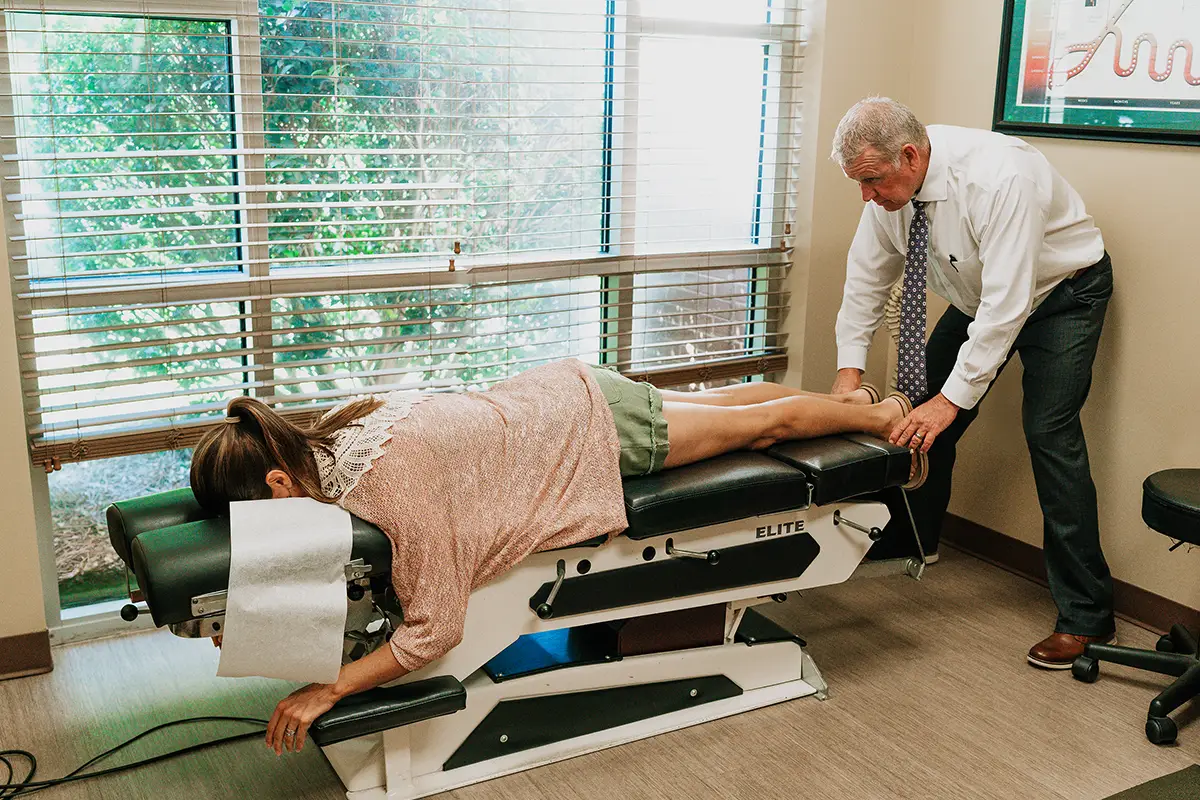
Chiropractic care focuses on the diagnosis and treatment of neuromuscular disorders, with an emphasis on treatment through manual adjustment and manipulation of the spine. The core philosophy is that proper alignment of the body's musculoskeletal structure, particularly the spine, will enable the body to heal itself without surgery or medication.
Restoring Joint Mobility
One of the primary benefits of an adjustment is improved mobility. When vertebrae are misaligned (a condition known as subluxation), the surrounding muscles often tighten up to protect the area. An adjustment restores movement to the "stuck" joint, allowing the muscles to relax and range of motion to return.
Reducing Inflammation
Misalignments can lead to chronic inflammation, which is a significant driver of pain. By correcting the mechanical structure of the spine, chiropractic care helps reduce the inflammatory response in the body. This is often why patients report feeling less "puffy" or stiff after a few sessions.
A Holistic Approach
Unlike a general practitioner who might prescribe a muscle relaxer and send you on your way, a good chiropractor looks at the whole picture. They will likely discuss nutrition, sleep habits, stress management, and exercise. The goal isn't just to stop the pain for a few hours, but to build a lifestyle that prevents the pain from returning.
Alternative to Opioids
With the ongoing concerns regarding opioid addiction, many patients are seeking safer alternatives for pain management. The American College of Physicians recommends spinal manipulation as a frontline treatment for low back pain before resorting to medication.
Key Factors in Finding the Right Chiropractor
Once you have decided to pursue chiropractic care, the search begins. Typing "chiropractor near me" into a search engine will likely yield dozens of results. Narrowing these down requires a strategic approach.
Check Credentials and Experience
Verify that the chiropractor has a Doctor of Chiropractic (D.C.) degree from an accredited institution. Beyond the degree, look at their experience. If you are a runner dealing with a sports injury, you might want a doctor with a background in sports medicine. If you are pregnant, look for someone certified in the Webster Technique.
Read Reviews (With a Grain of Salt)
Online reviews on Google, Yelp, and Healthgrades can be incredibly telling. Look for patterns in the feedback. Do patients mention that the doctor listens well? Is the office staff friendly? Are wait times reasonable? Look for long-form reviews where patients describe their recovery journey, as these are often more reliable than simple star ratings.
Understand the Techniques
There are many different ways to adjust a spine. Some chiropractors use their hands for high-velocity, low-amplitude thrusts (the traditional "pop" or "crack"). Others use handheld instruments like an Activator for a gentler, low-force approach. Some focus on soft tissue work alongside the adjustment.
If you are nervous about the "cracking" noise, look for a chiropractor who specializes in low-force techniques. If you prefer a deep tissue approach, look for someone who incorporates physical therapy modalities.
The Initial Consultation
Most reputable chiropractors offer a consultation to see if you are a good candidate for care. Use this time to gauge your comfort level. You should feel heard and respected. If a chiropractor guarantees a "cure" or tries to pressure you into a long-term, expensive prepaid plan on day one without a proper exam, consider that a red flag.
Specialized Care: The Upper Cervical Spine Center
In your search for solutions, you may come across general chiropractors who treat the entire spine, and specialists who focus on specific areas. One of the most vital, yet often overlooked, areas of the spine is the upper cervical region—specifically the top two bones in the neck, the Atlas (C1) and the Axis (C2).
This is where the Upper Cervical Spine Center distinguishes itself from general practice.
Why the Upper Cervical Spine Matters
The Atlas and Axis vertebrae are unique. Unlike the rest of the spine, they have no interlocking discs to keep them in place. They rely entirely on muscles and ligaments for stability. This makes them highly susceptible to misalignment from whiplash, sports injuries, or even poor sleeping positions.
Furthermore, these two bones house the brainstem—the command center that controls virtually every automatic function in your body, from breathing to heart rate to digestion. When the Atlas or Axis is misaligned, it can compress the brainstem, leading to a cascade of issues far beyond just neck pain. This can include migraines, vertigo, fibromyalgia, and chronic fatigue.
The Precision Difference
The Upper Cervical Spine Center focuses on correcting these delicate misalignments with extreme precision. Unlike general manipulation which might involve twisting or popping the neck, upper cervical care is incredibly gentle.
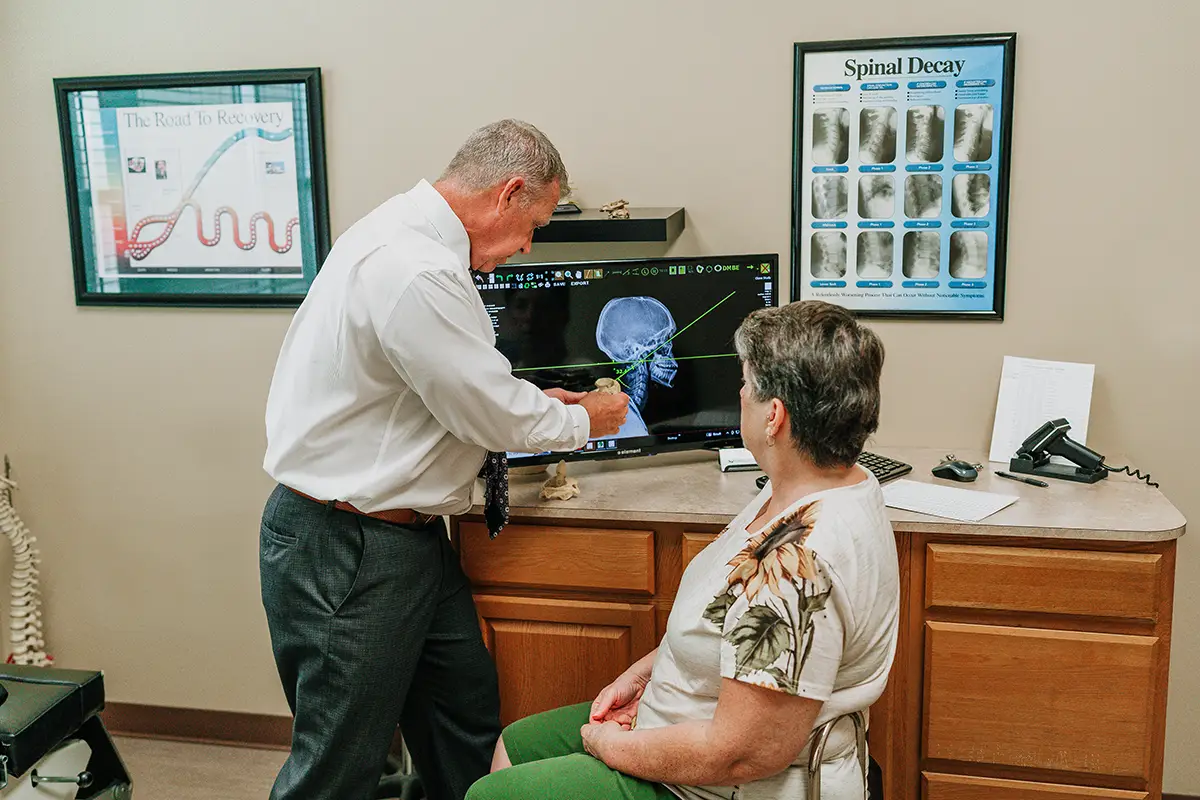
Doctors at the Upper Cervical Spine Center utilize advanced imaging to calculate the exact angle of misalignment. The correction is often so light that patients barely feel it, yet the results can be profound. Because the adjustment is based on precise mathematical calculations, the correction tends to hold longer, meaning patients often require fewer visits over time compared to traditional chiropractic care.
If you have tried general chiropractic or physical therapy without lasting success, the issue may stem from this critical upper neck area. The Upper Cervical Spine Center offers a targeted approach that addresses the neurological root of the problem rather than just the musculoskeletal symptoms.
Important Questions to Ask Before Booking
To ensure you are making the best choice for your health, arm yourself with a list of questions before your first appointment. A transparent and professional chiropractor will be happy to answer them.
Do you take X-rays?
To treat the spine safely, a doctor needs to see what is happening beneath the surface. X-rays allow the chiropractor to rule out fractures or tumors and to visualize the spinal curvature. Be wary of practitioners who want to adjust you without any imaging or a thorough physical exam.
What is your treatment philosophy?
Does the doctor aim to get you out of pain and dismiss you, or do they focus on corrective care? Both approaches are valid, but you need to know what you are signing up for. If you want long-term correction, a "pain relief only" clinic might not be the right fit.
Do you accept my insurance?
Chiropractic care is covered by many insurance plans, but coverage varies wildly. Ask the office to verify your benefits before you arrive so there are no financial surprises. If they do not take insurance, ask about cash plans or family packages.
How long will treatment take?
While no doctor can predict the future, they should be able to give you a general roadmap based on your exam findings. If they tell you that you need to come three times a week for a year without ever re-evaluating your progress, ask for the clinical reasoning behind that recommendation.
Do you offer at-home exercises?
Recovery is a partnership. The best results come when the patient is actively involved. Ask if the doctor will provide stretches or strengthening exercises you can do at home to support the adjustments.
Taking the Next Step Toward Relief
Living with back pain drains your energy and limits your potential, but it does not have to be your permanent reality. By understanding the source of your pain and seeking out a qualified professional, you are taking a massive step toward recovery.
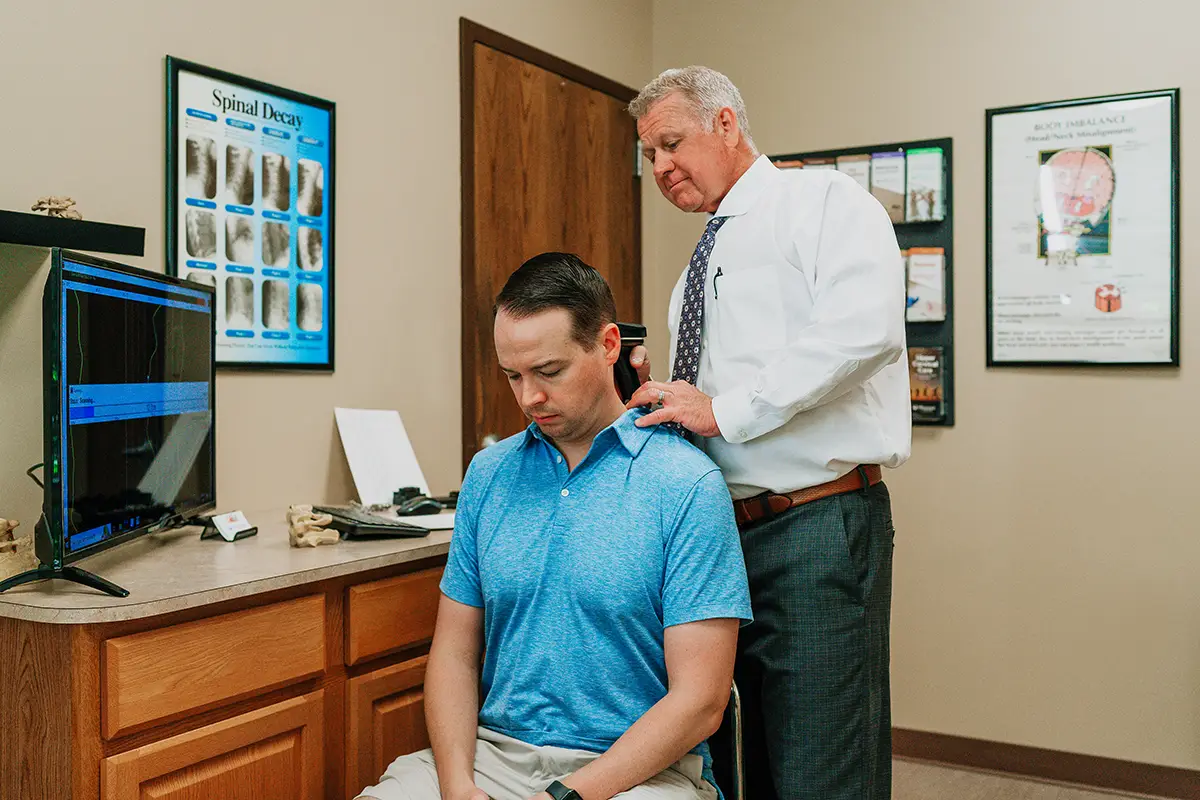
Whether you choose a traditional chiropractor or opt for the specialized precision of the Upper Cervical Spine Center, the most important thing is that you take action. Look for a provider who utilizes X-rays, listens to your history, and explains their process clearly.
You only get one spine. Treating it with the care and expertise it deserves is one of the best investments you can make for your future health. Don't wait for the pain to become unbearable; research your local options, ask the hard questions, and book that consultation today.
Upper Cervical Spine Center
https://maps.app.goo.gl/7z8cKyohFGmgGe1F8
2550 W Arrowood Rd #104, Charlotte, NC 28273
(704) 588-5560
https://www.uppercervicalspinecenter.com/
Address
2550 W Arrowood Rd
Suite 104
Charlotte, North Carolina, 28273
United States
Hours
Monday-Friday:
9AM-12PM
&
2PM-6PM
We Align the Head and Neck So That the Nerves Can Send Brain Healing Messages to Affected Parts Of Your Body.
It's a Natural Self Healing.
